
Intro
Underlines: In general, if I underline something, it's supposed to be a hyperlink. If something is underlined but has no hyperlink, that usually just means I'm planning on rambling about it at a future date, and I just left it in there to remind myself.
Superscripts: Occasionally, I'll decide to back up some of my rambling with a source1, or add additional context that I feel just doesn't fit in with the rest of the surrounding text2. I'll use superscripts for this, with the relevant source or comment located at the bottom of the current block of text, but before the next image (if there is another one in the current section).
Edits: For the most part, these are living documents. There'll be a "last edited" tag on the bottom of each section. Of course, the full change log will be viewable through git commits in the repo of this website.
Rationale: I'm planning on using these pictures as an excuse to ramble about things. Or maybe my ramblings as an excuse to show pictures3 I took4 that I like. Mostly because I think it's a good idea to write down the things I think about a lot.
I think it'll help me dig at my thoughts. And force me to make them presentable. And serve as a fun exercise, since I hardly write anymore. And make me look at the pictures I took, beyond just the one time that I take them, or instead of printing them out and leaving them everywhere.
1Example of a good source.
2Since when have superscripts been a thing?
3Images are downscaled and compressed!!!
4Almost all images (with the exception of this
one,
this
one,
this
one,
and those of myself)
were taken by me.
Almost all of my images were taken using a Nikon D3200 (otherwise, my phone).
Basic 35mm Nikon lens. AF is kinda mid though, so pics might be slightly out
of focus sometimes.
Last Edited 06/16/26
Cars
FORD: Found On Road Dwerking
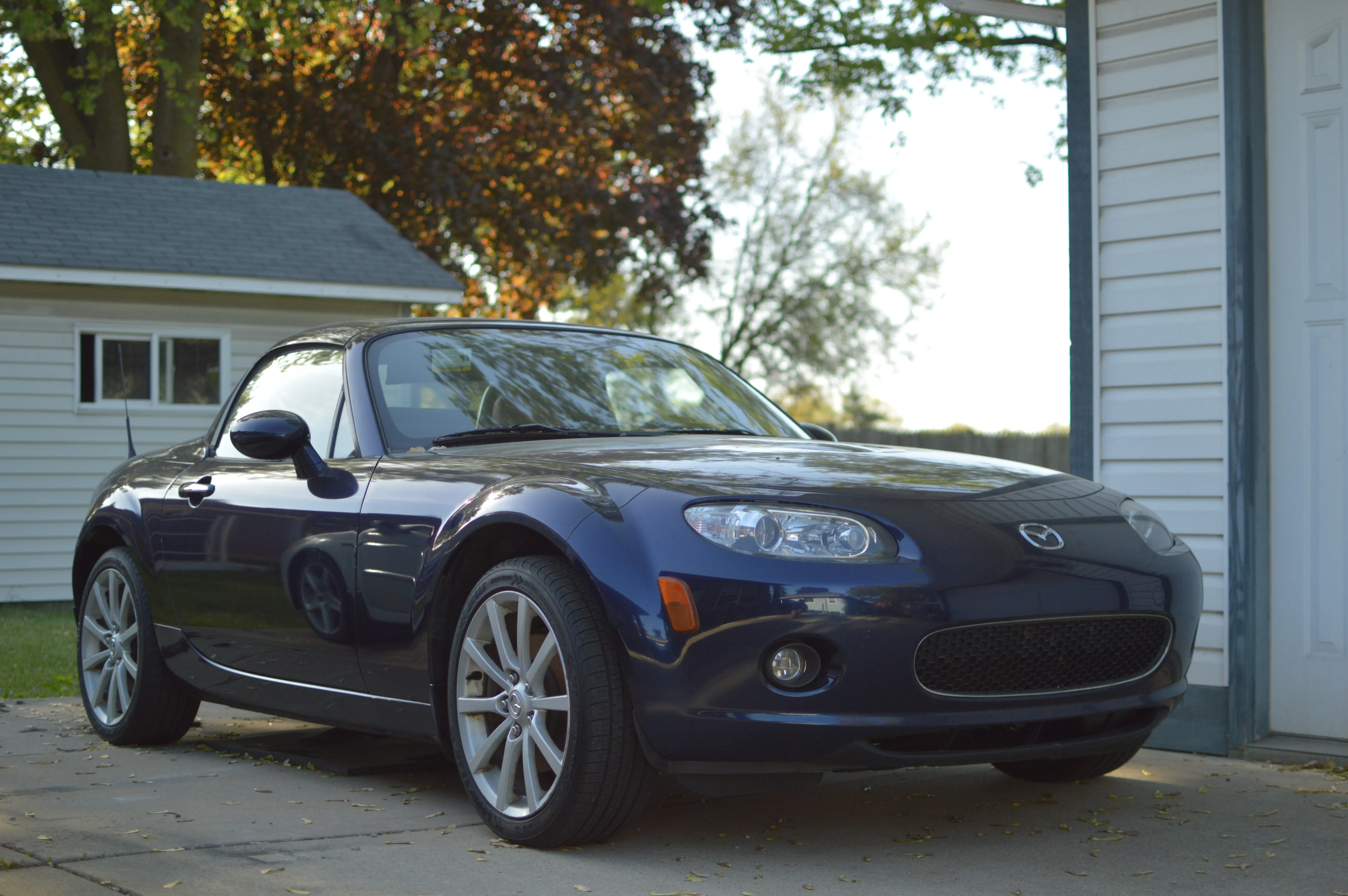
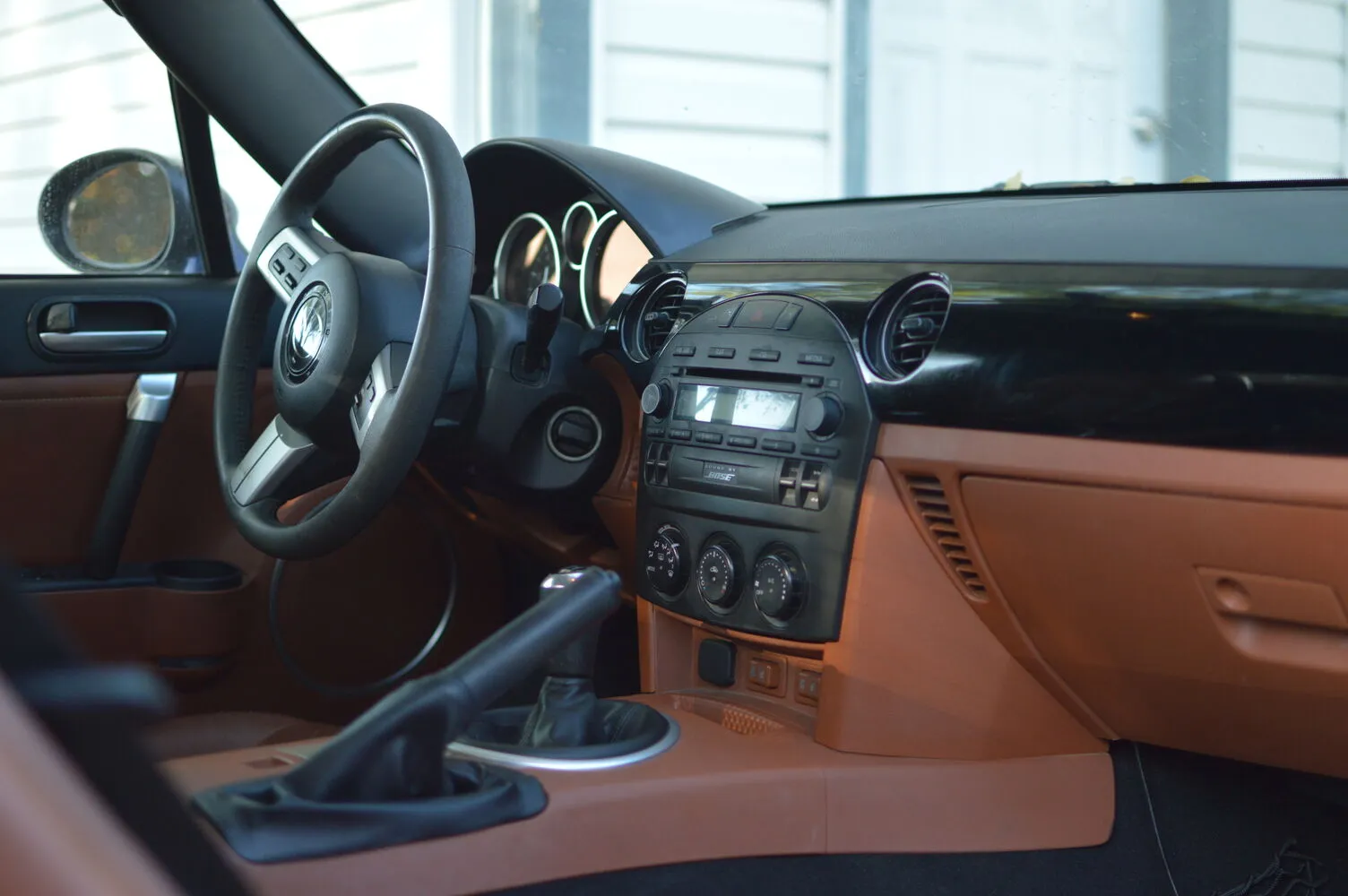
I recently got a 2007 Miata. Blue, with the retractable hard top, brown interior, and 6 speed manual transmission. An Illinois vehicle for most of its life, the underbody is very rusty, as are the rear fender flares (to be fair, I think there was some metal-on-metal contact there at some point). The trunk gas struts were shot, the driver's side door handle lock/unlock button was gone, the passenger sun visor was cracked and limp, and its left side comrade was flat out missing. The leather on the steering wheel, shifter knob, and hand brake were doing that weird thing that leather from this period of Mazda cars does where it just gets real *sticky*, especially with humidity (from, like, your hands). The clutch was cooked, the transmission oil had never been changed, and the engine was knocking.
The engine knock is actually a very common problem for the first few years of this generation Miata, where severe rod knock is caused by worn bearings that create a negative feedback loop and culminate in the engine grenading itself. So I also had to replace the engine.
This thing was kind of a piece of crap.
But I got it for kind-of-a-piece-of-crap price, so ¯\_(ツ)_/¯
Anyway, this third generation Miata (the "NC") was a huge departure from the previous two generations for Mazda, as it completely re-engineered the platform. All new parts, all new engine, and all new design. This was all somewhat controversial, especially because some of these changes were assumed to be pushed by Ford, which had a controlling stake in Mazda at the time.
As Mazda Vehicle Dynamics engineer Dave Coleman explains in this half-hour documentary / interview, it seems that Ford forced some consolidation across the Mazda lineup (making the Miata and the RX-8 share the same platform), implanted Ford designer Moray Callum as the chief designer for the NC, and tuned some of the dimensions and dynamics of the vehicle for a "smoother" ride, perhaps in an attempt to court slightly older drivers more accustomed to other American vehicles.
It should be noted that some of these changes, particularly with the suspension, were revised for the 2008 face lift1.
Also, while Ford obviously had sway over these decisions, I think they get a ton of undue hate. It's an entirely new car, with a new platform, trying to compete in an environment where other small sports cars (s2000, mr2) ceased production.
Some things just had to change.
1 This is all from this documentary / interview I linked earlier.
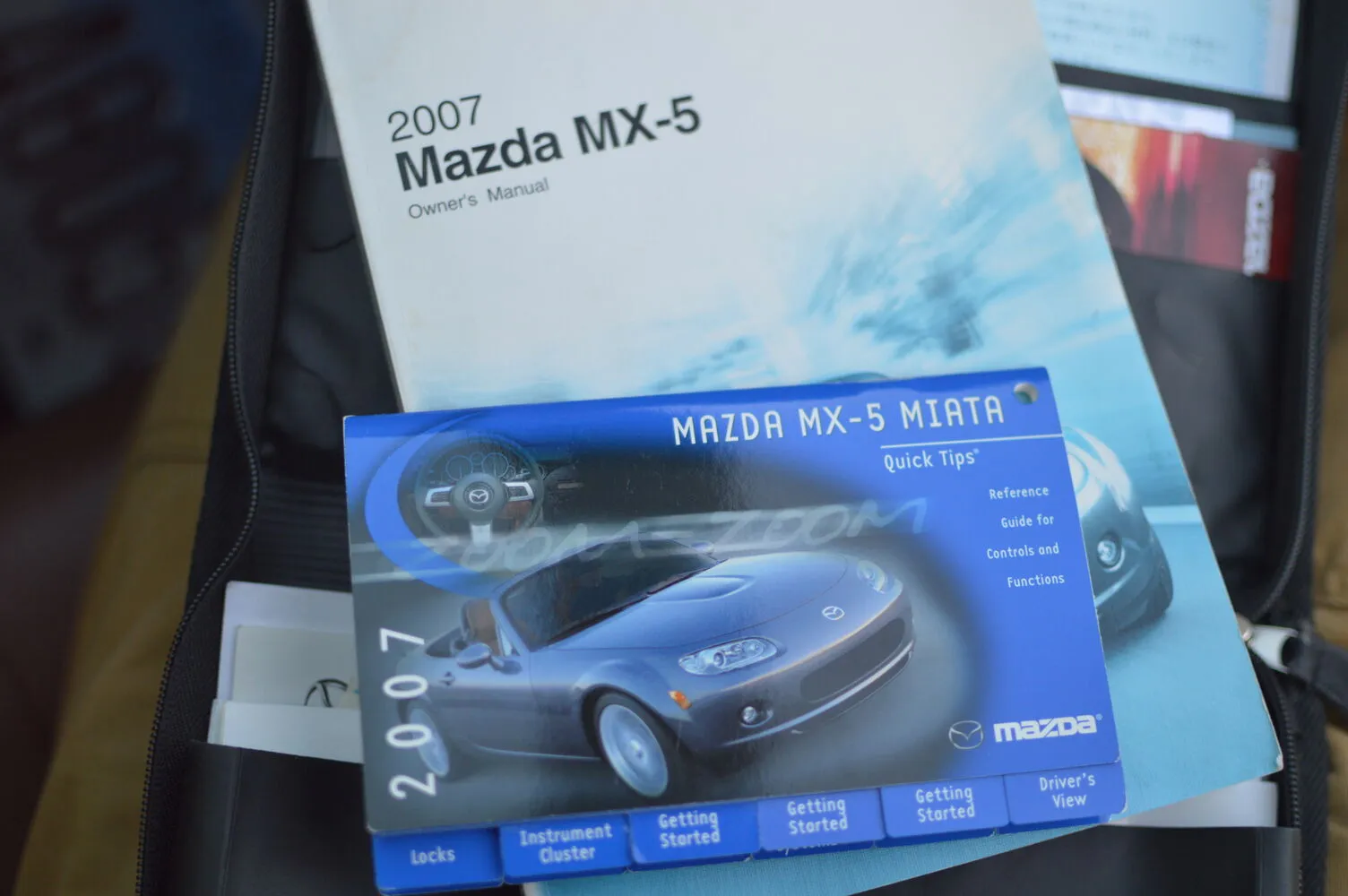
Lots of these changes were made with horizontal integration across the Ford portfolio in mind. Take for example, the new engine.
Under the hood of the NC Miata is a 2.0L inline four. In Mazda vehicles, this engine is called an MZR. In Ford vehicles, it's (mostly) called a Duratec. These are all basically the same engine. Sure, displacements range from 1.8L to 2.5L, with slightly different cylinder bores and piston strokes to match. But the important part is that, aside from a few millimeters here or there, these are all essentially the same engine, with the same mounting points.
The result is that effectively the same engine was widely used throughout the Mazda (mazda 3, mazda 5, mazda 6, etc.) and Ford (escape, focus, fusion, transit, ranger) lineup1.
1 Also some Volvos!
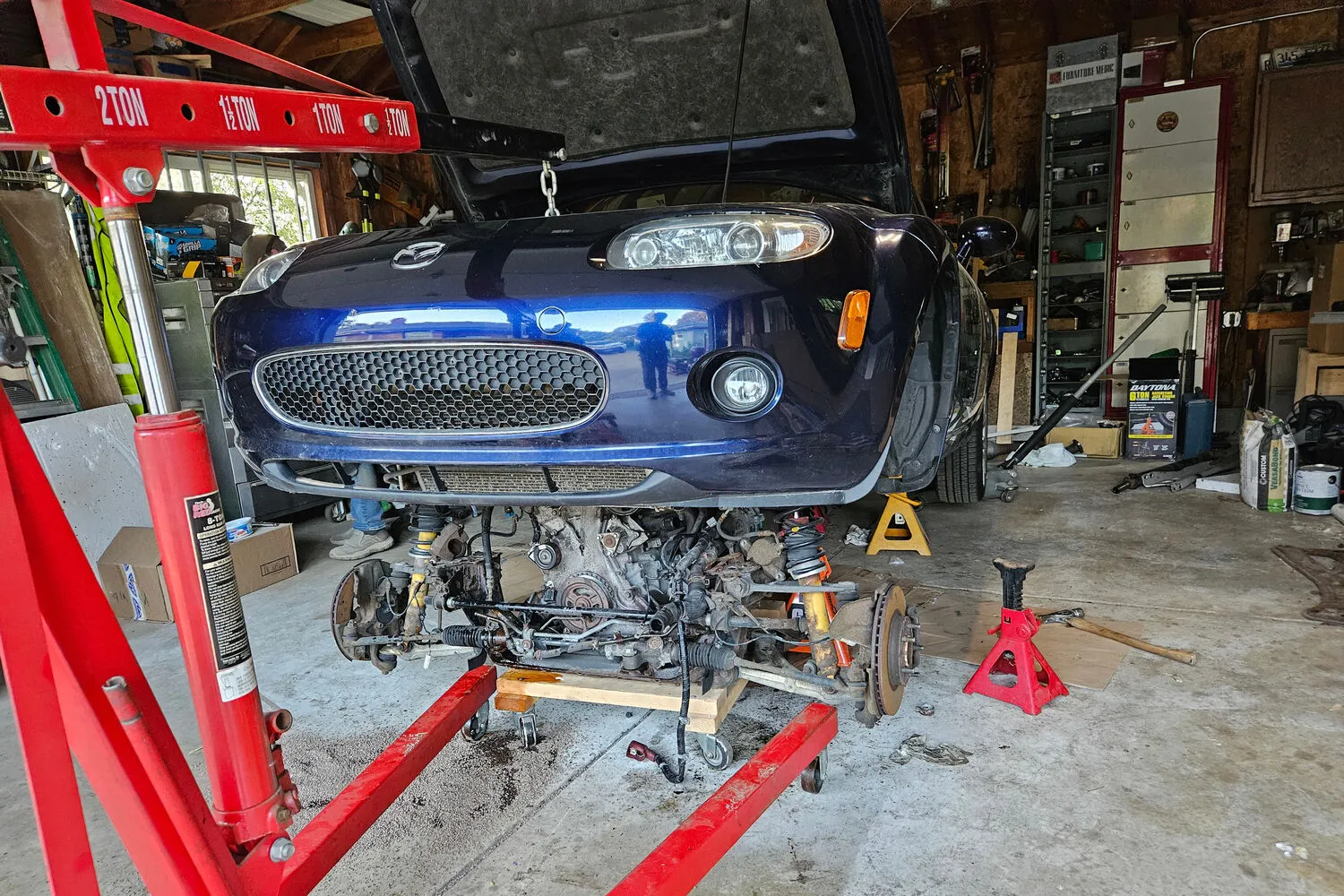
What this all means is that I put a used 2017 Ford Fusion engine in my Miata!
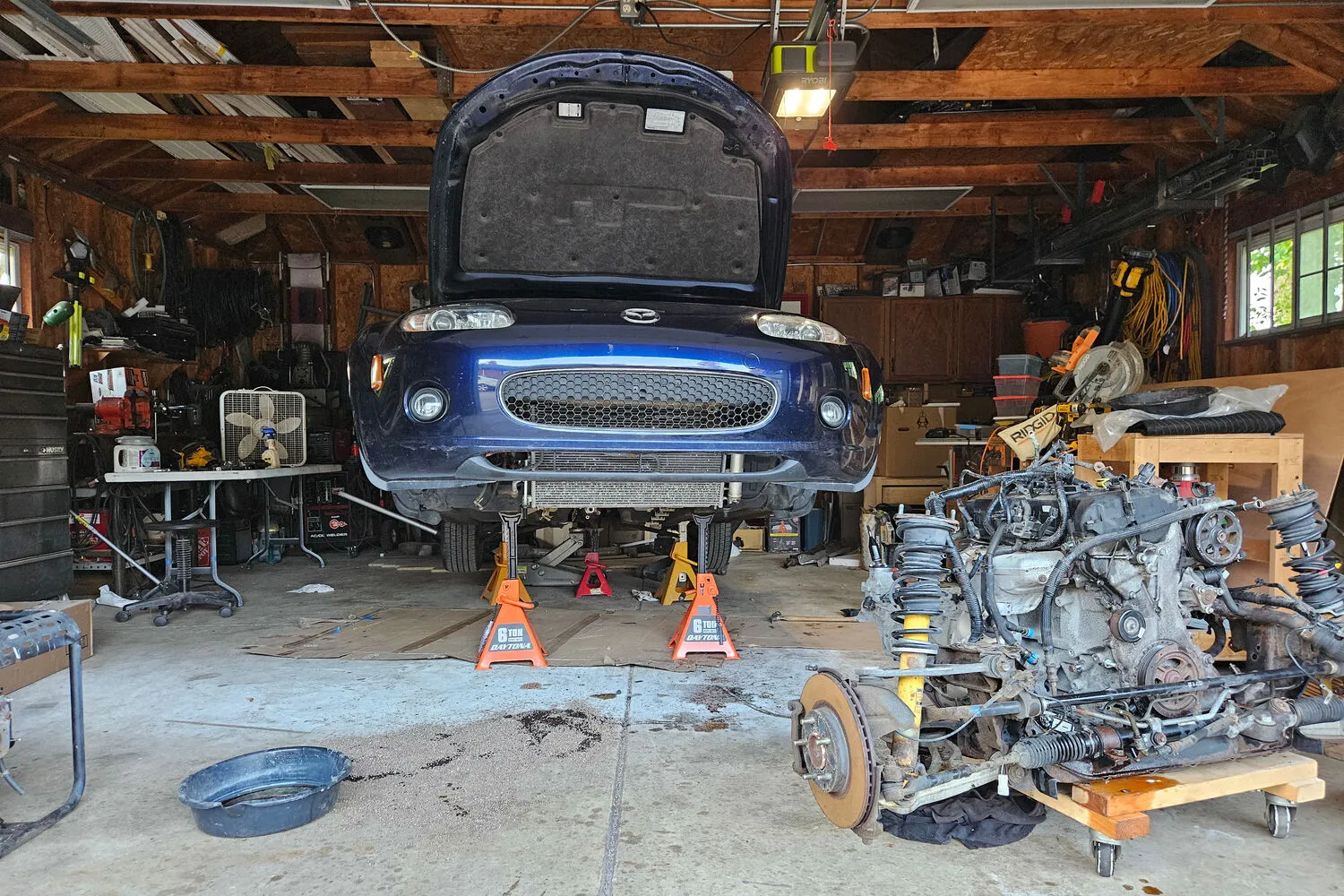
I bought the engine for like $500 with only 14k miles, pulled the old engine out, read tons of forum posts, transferred some bits over, bought some other bits from other Ford vehicles, put it all together and dropped it in.
Since everything was already out I also replaced the shocks and swapped in a new clutch.
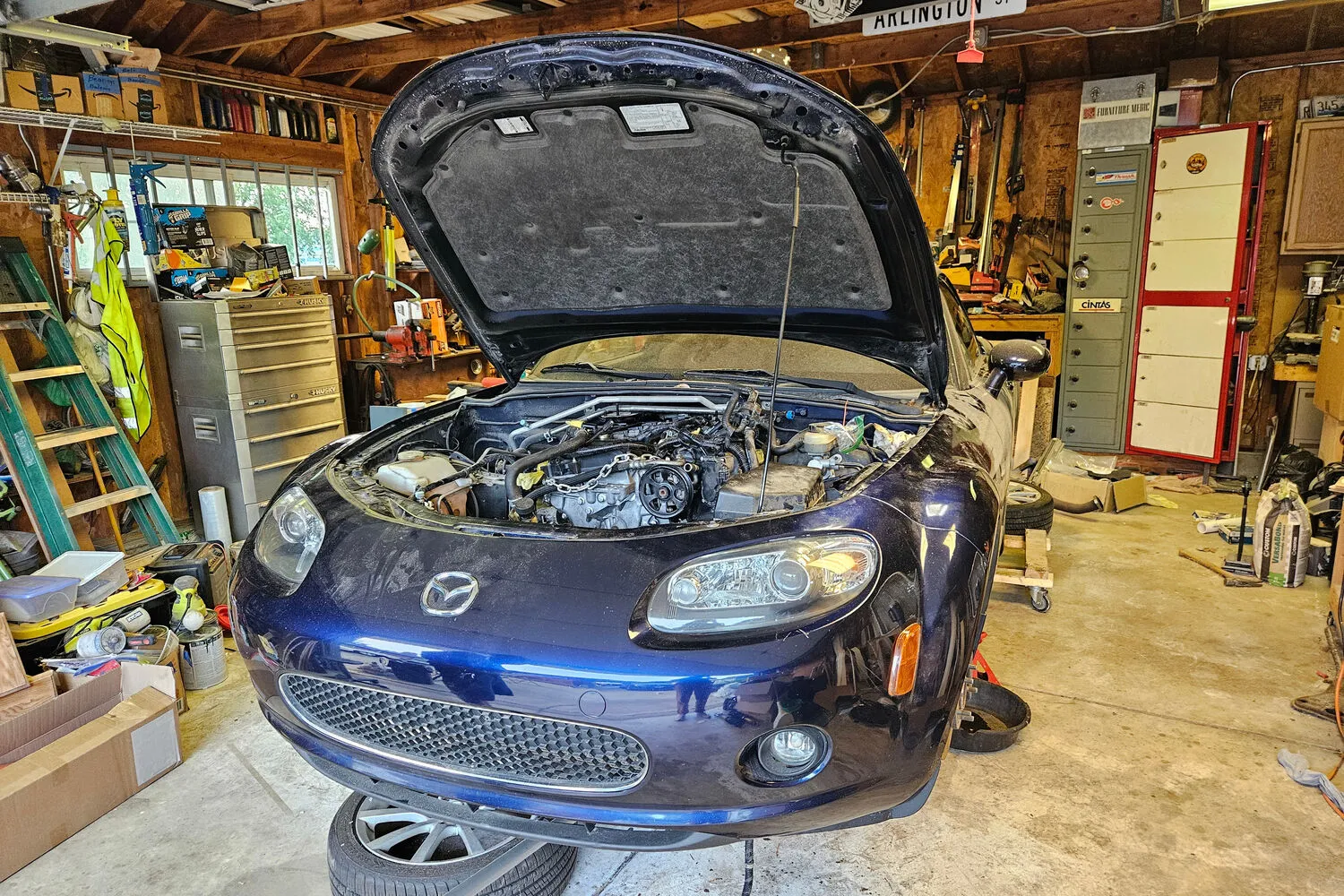
Once that was all done (and once I got around to changing my transmission fluid) I finally got to enjoy it.
And holy shit do I love driving this thing.
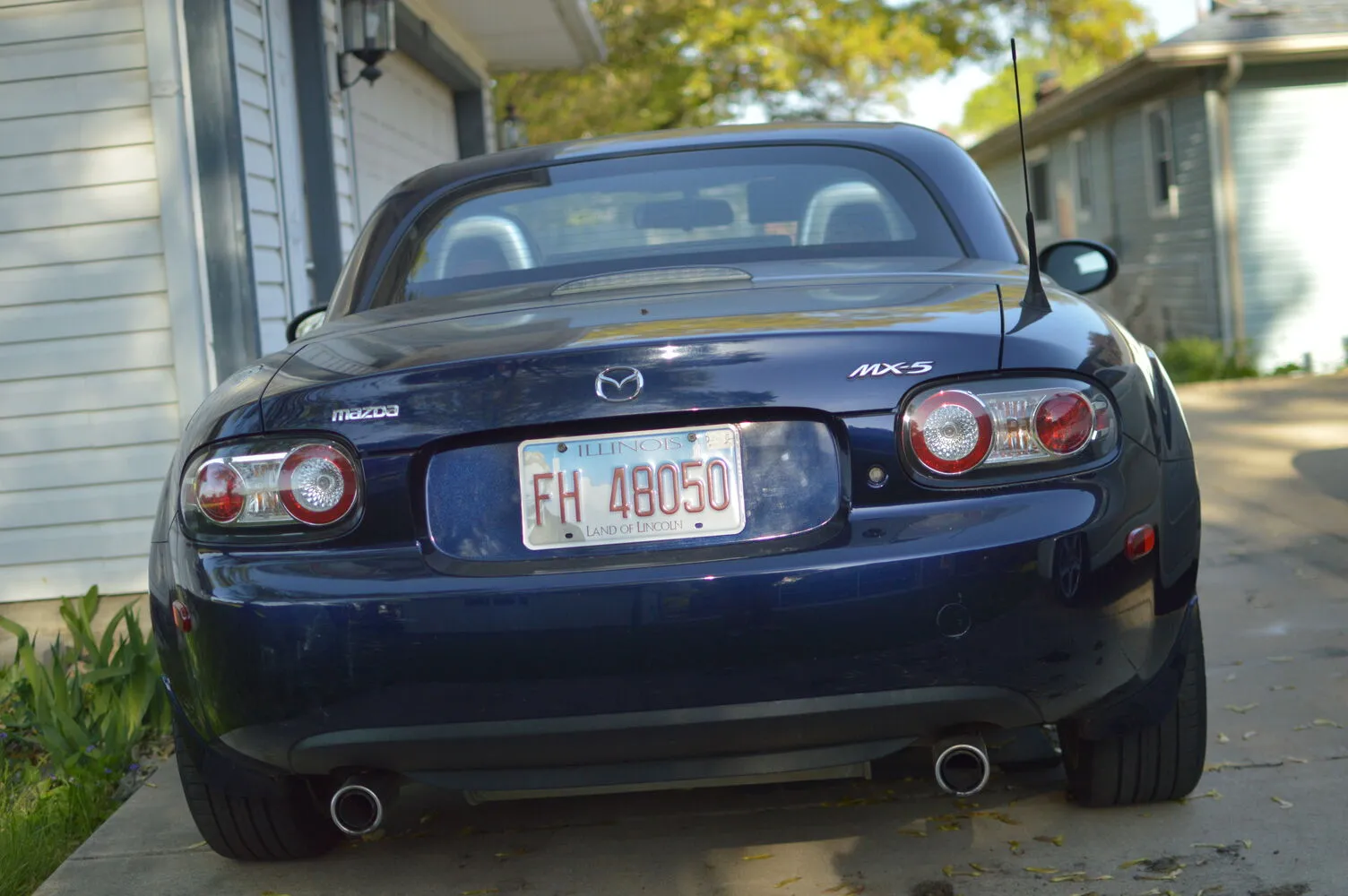
Yeah it's a little chopped with all the rust and everything, and random stuff rattles, and it's not green, and the steering wheel got misaligned when I put everything back together, and it could really stand to lose an inch or two in height. But damn. Thing's kinda goated.
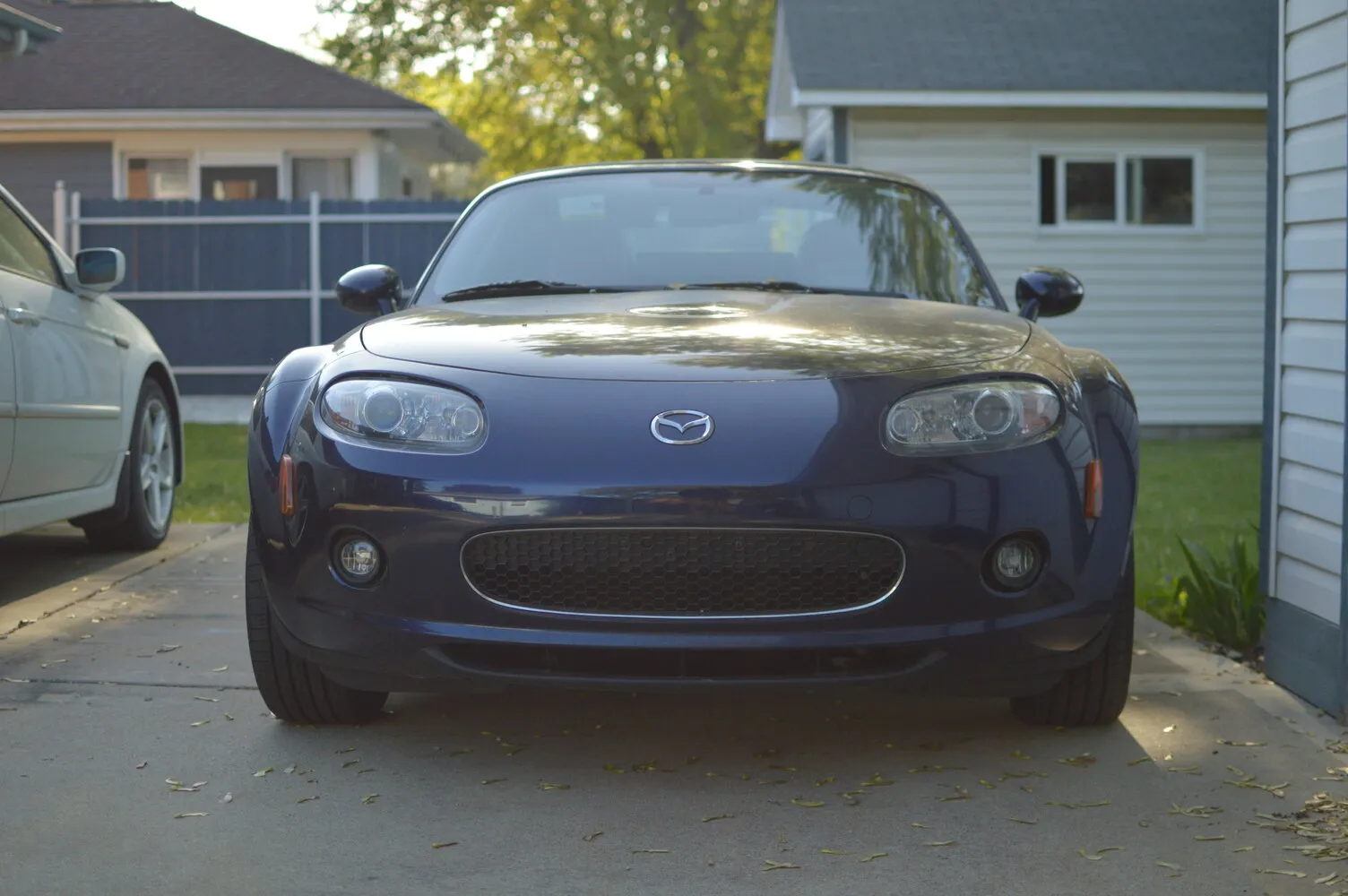
In hindsight, I'm glad I went for it. Several times throughout the entire process I did want to explode. But I learned a lot, and have come to really love my car. Like, I daily that thing, and every time I get in and start driving it is pure joy. Even just looking at it too, it is so adorable!
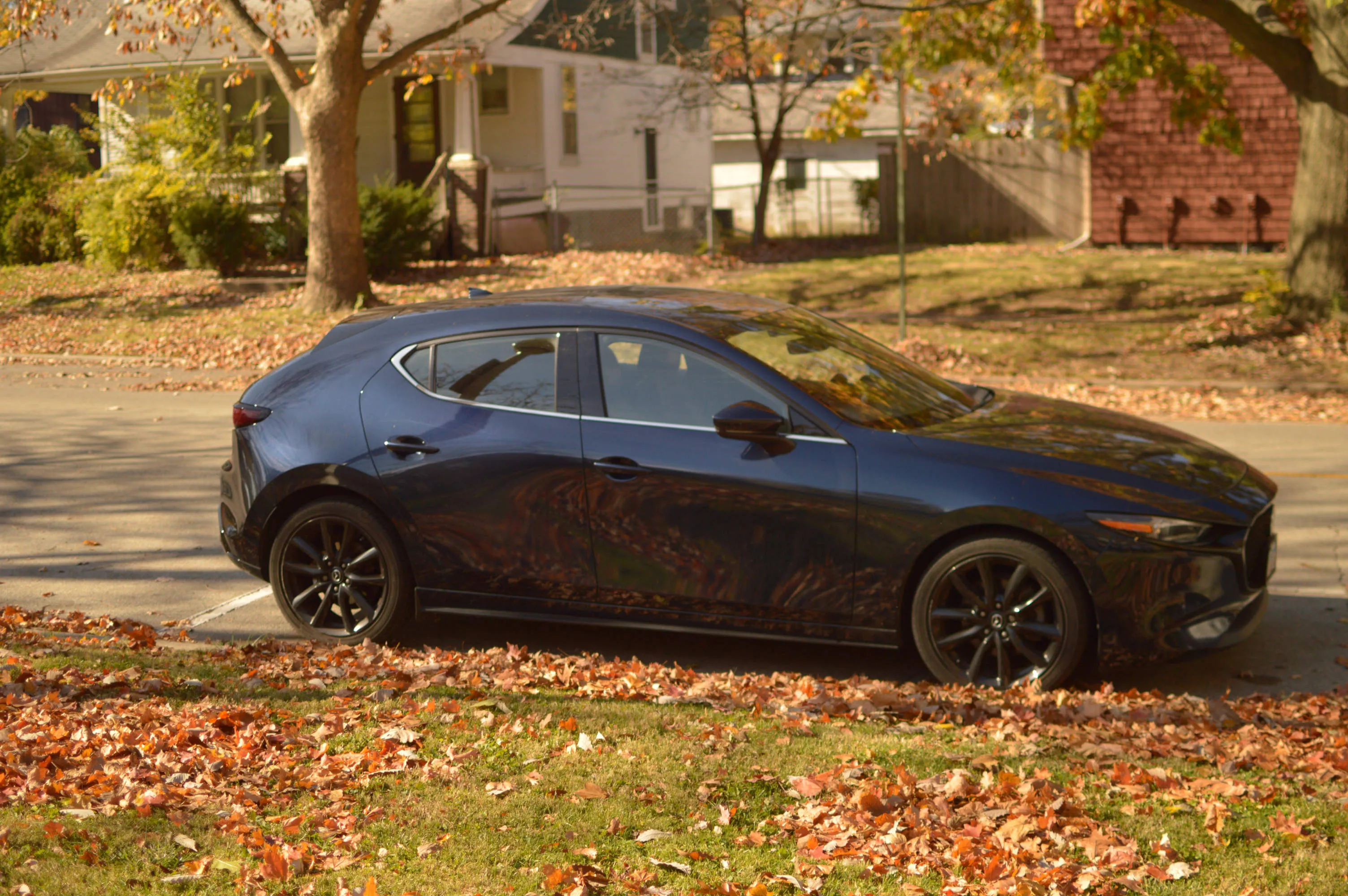
Before my Miata, I had a 2019 Mazda 3 AWD, Hatchback. I really loved that car. So what happened to it? Where did this beautiful gorgeous amazing stunning goated Mazda 31 with the red leather interior go?
1Excuse the slightly out-of-focus shot
The Average Driver
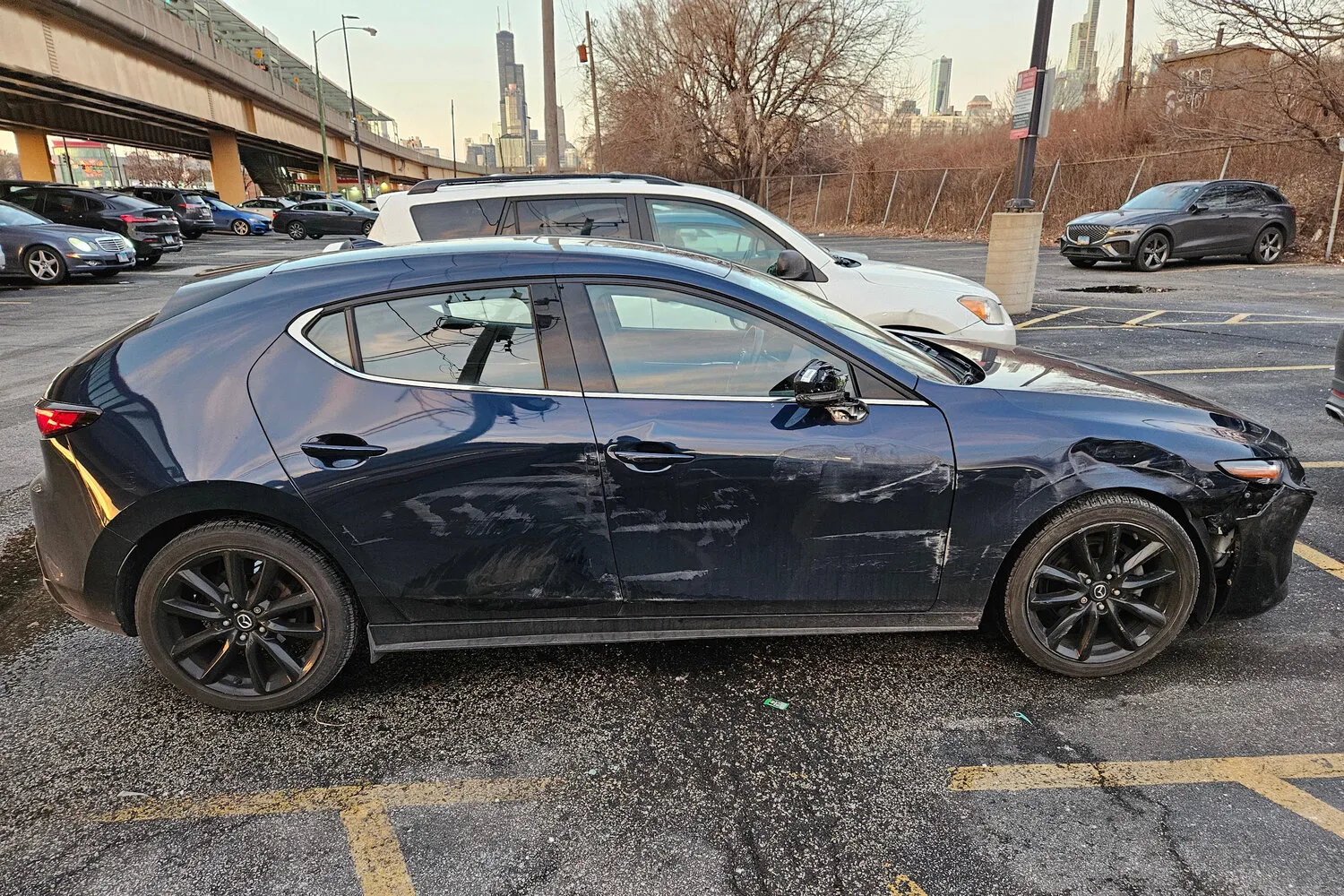
Some headass was speeding crazy on I-90 and merged into me.
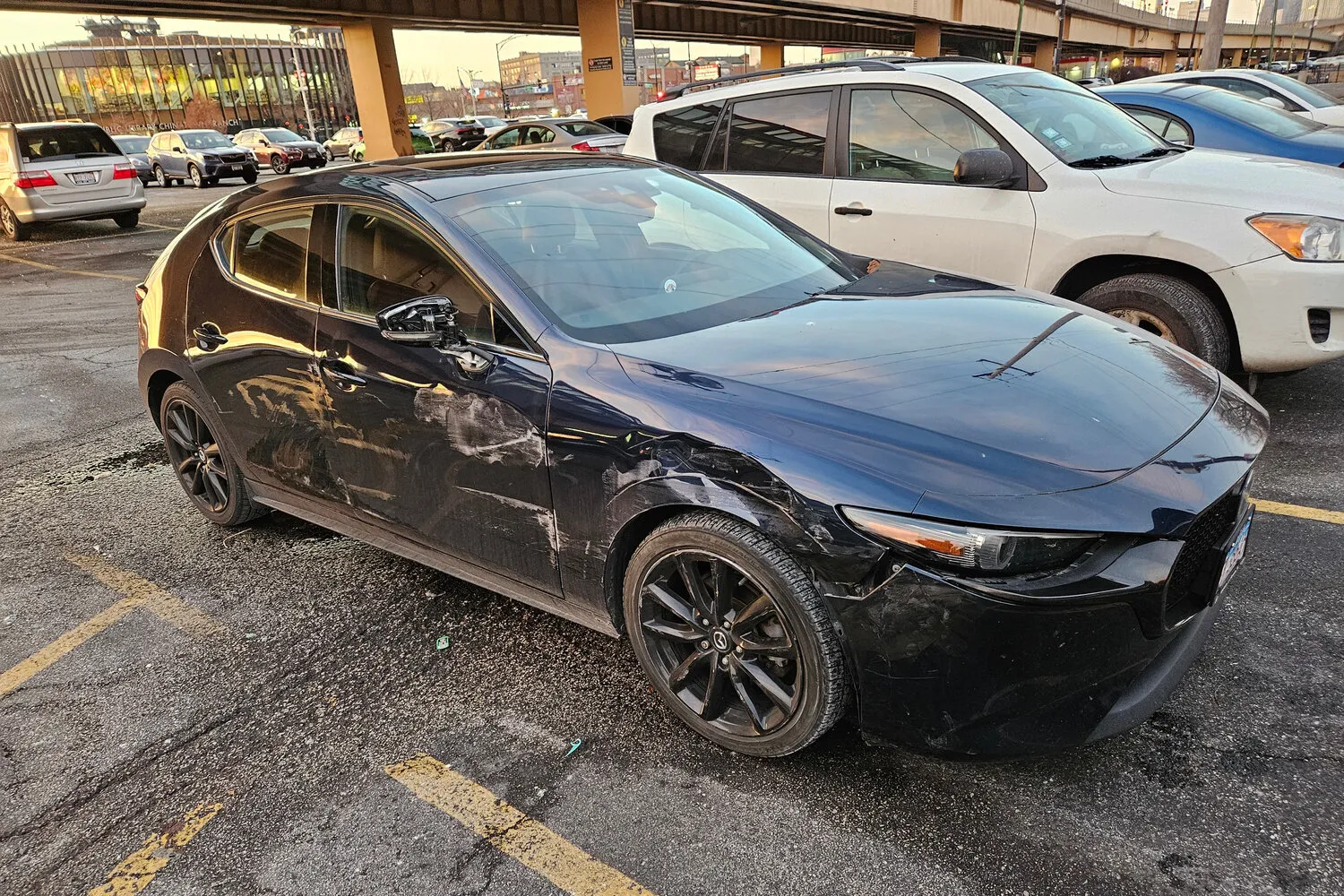
Managed not to spin out or hit the median! But my car got totaled.
Which made this one of the roughly six million1 (!!!) motor vehicle crashes in the USA in 2025. That's like, almost enough crashes for 2% of the population, if distributed evenly. And it definitely isn't!
1Approximately, going off data from the Bureau of Transportation Statistics. It cuts off at 2023, but I don't think anything particularly miraculous has happened since then in the world of motor vehicle safety. Well, besides Waymo, and that's a whole thing. I can picture it clearly: "Ew, why would you take the subway? Just get a Waymo." "There are way too many bikes omg my waymo was so slow!" "There was a BUS in front of me the entire time!"
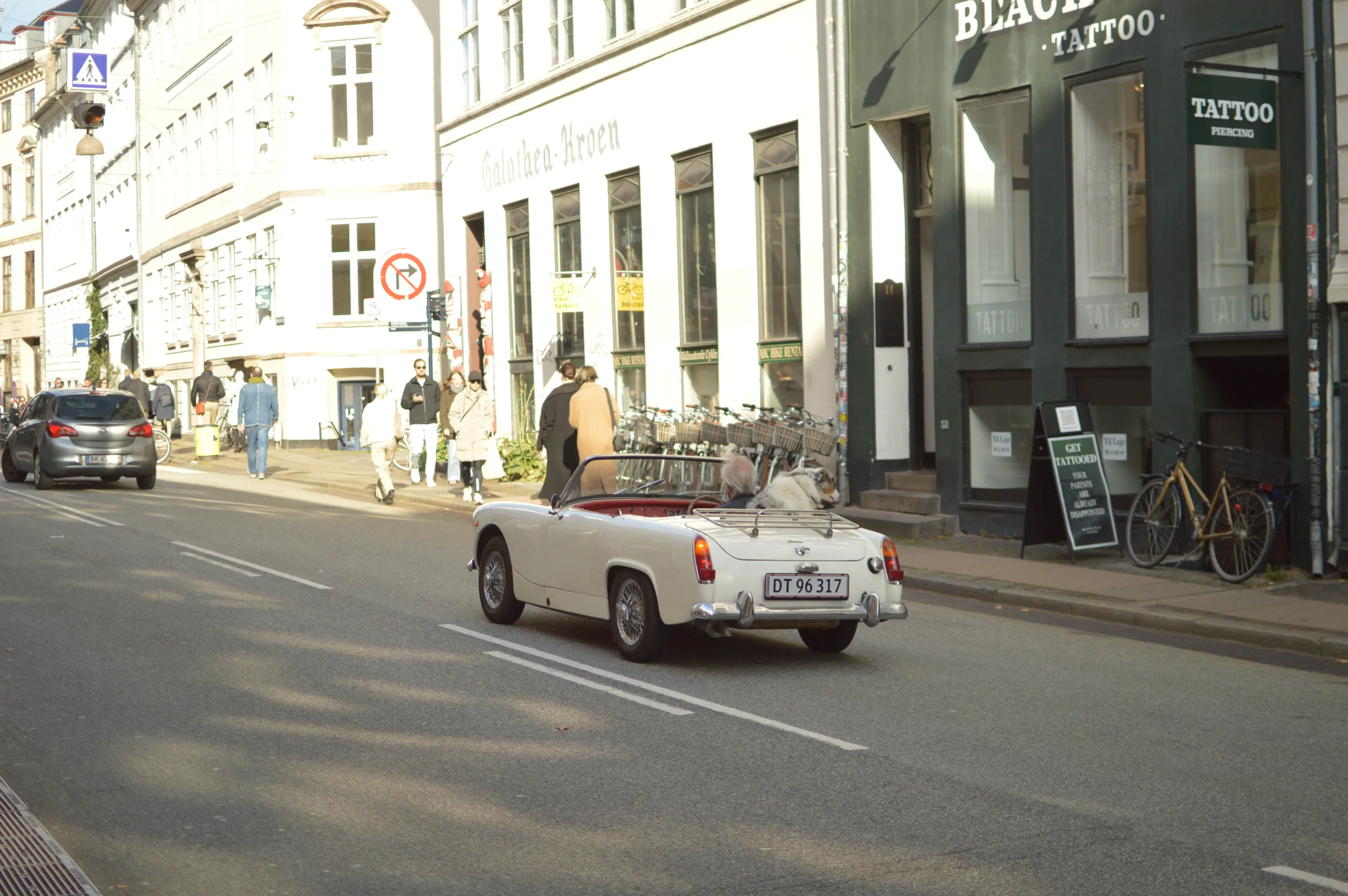
Which takes me into the main reason I got a Miata: I don't really like cars all that much,
all things considered. People are horrible drivers! They cause millions of crashes every year,
injure or kill tens of thousands, and like, the whole pollution thing, whether that be from combustion
products or tire microplastics. Driving itself is pretty boring, at least if you are aware of your
mortality and drive responsibly, and even then you are still at the mercy of those who aren't and don't.
Add to that all the damage change the automobile and its widespread use has caused to the urban form.
Dense city cores razed to erect massive interstates1, parking mandates dictating use of prime
city real estate as surface parking, surface-grade transit tracks ripped out to ease congestion,
massive minimum street widths, sidewalks cannibalized2 for free on-street parking, pedestrian overpasses.
A general overhaul of urban planning focused not around people and their needs, but automobiles and their requirements.
It really feels almost suicidal.
So if I must own a car, let it be small and fun. It's one less Atlas, Tundra, Grand Wagoneer on the daily commute.
1This source has an obvious slant, but just look at the maps.
2Didn't mean to get all "the city as an organism" like that one guy... forgot his name.
Sorry Prof. Wilson
One Last Thing
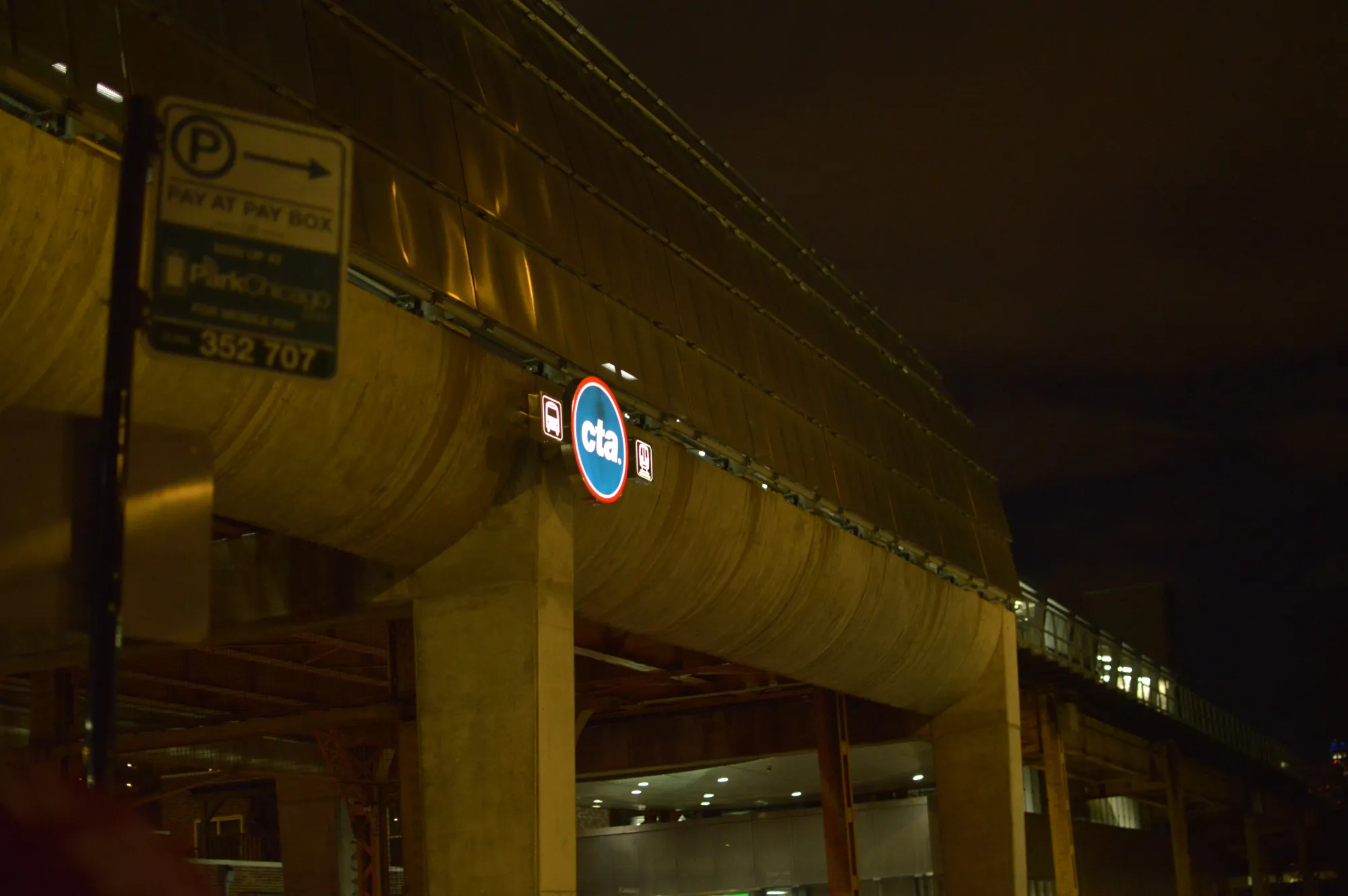
I remember freshman year of college I hopped on the 22N one fall morning on my way to class. Thing was packed. A few people over were some spaniards who were either shameless or or ignorant or both about the general public's comprehension of spanish. I say this because they were very loudly talking about foot fetish escapades. There were definitely other people listening too -- I distinctly remember exchanging glances with someone else on the bus and sharing a laugh. That's part of the beauty of public transportation. Stuff like this just would not have happened if I was driving to class every day.
Last Edited 06/16/26

Clothes
Yeah honestly no idea with this one.
Just a random pile of clothes I found while riding bikes around campus at like 3 or 4 am.
Last Edited 7/13/25
Denmark
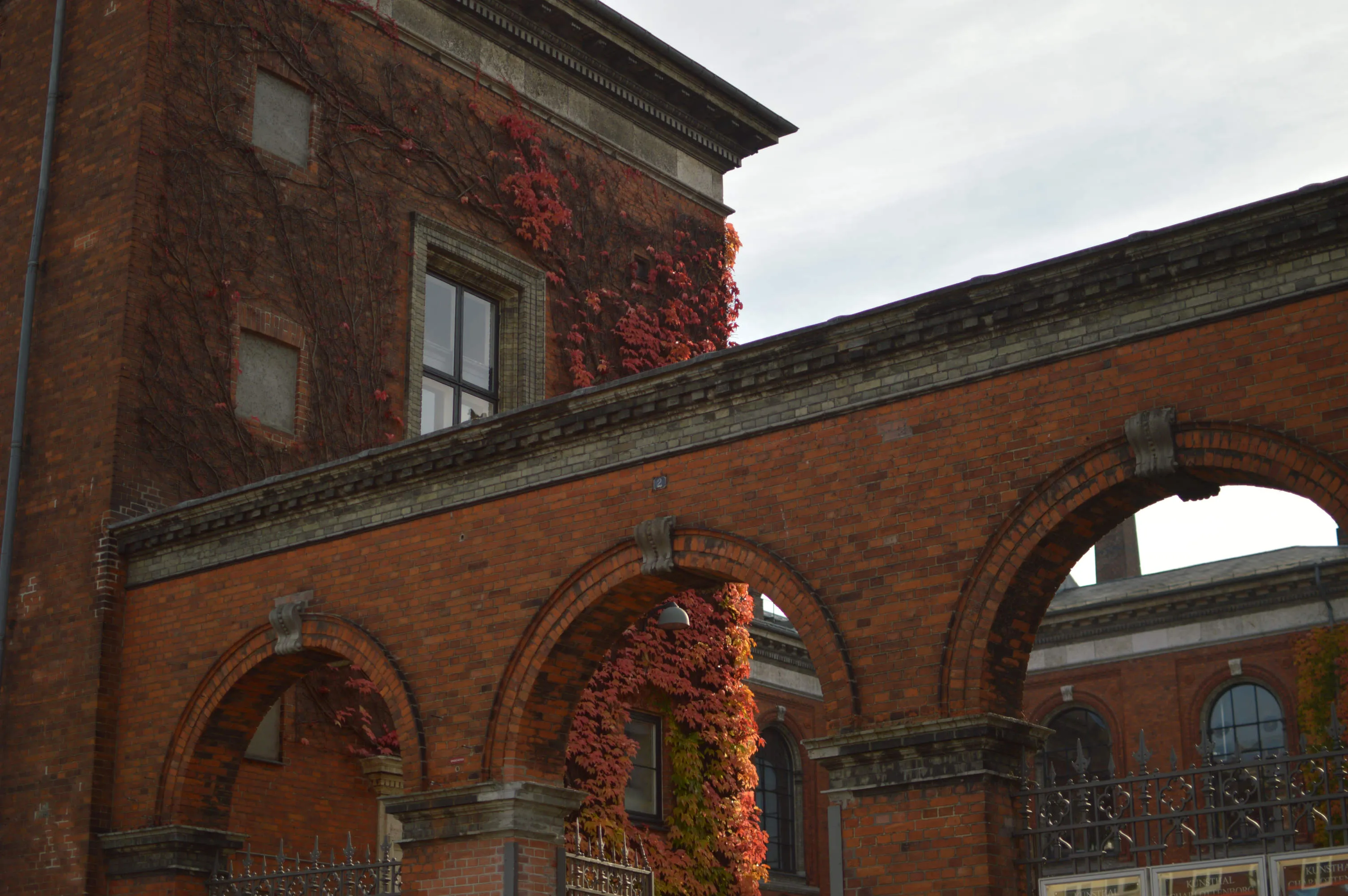
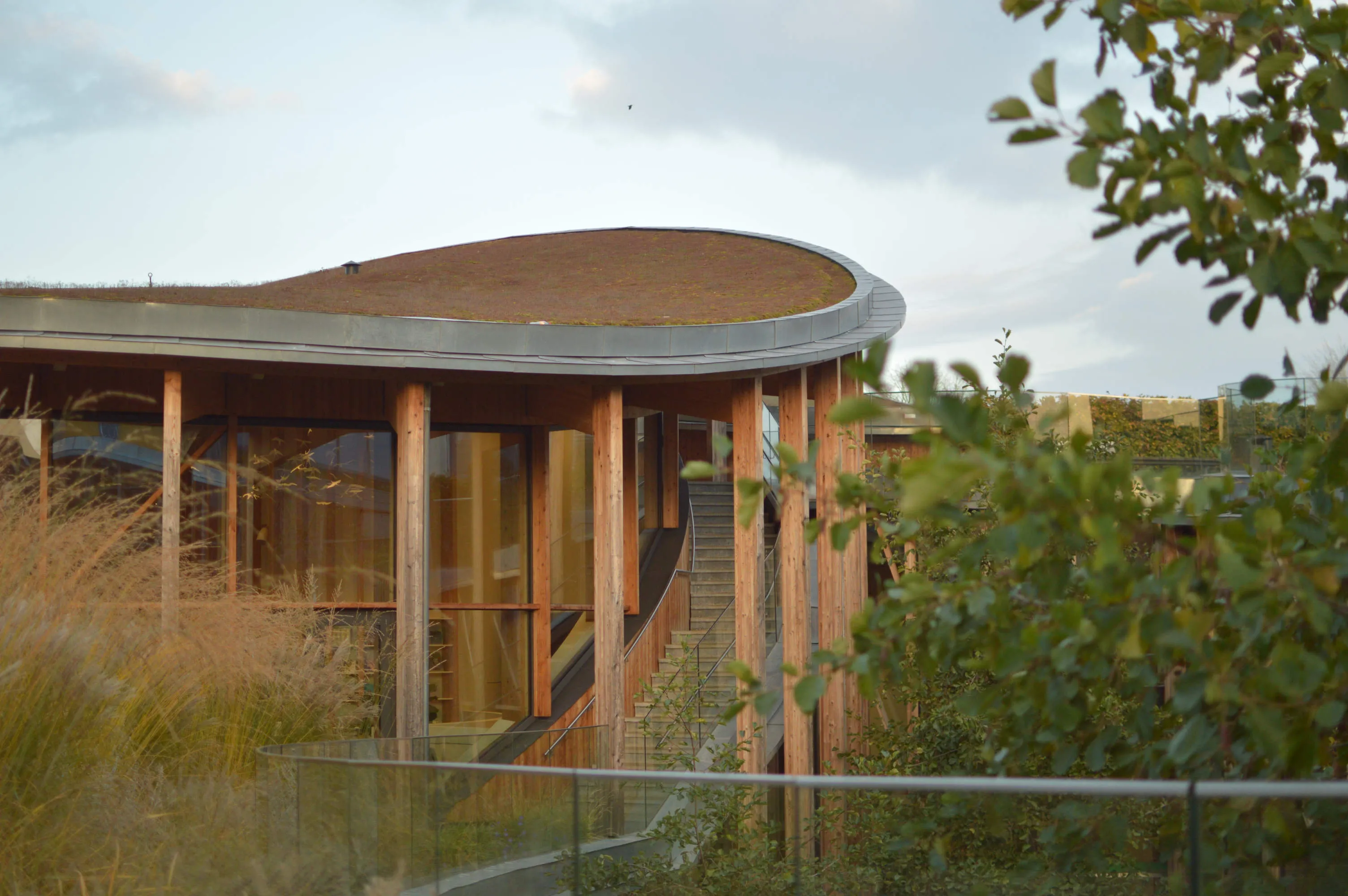
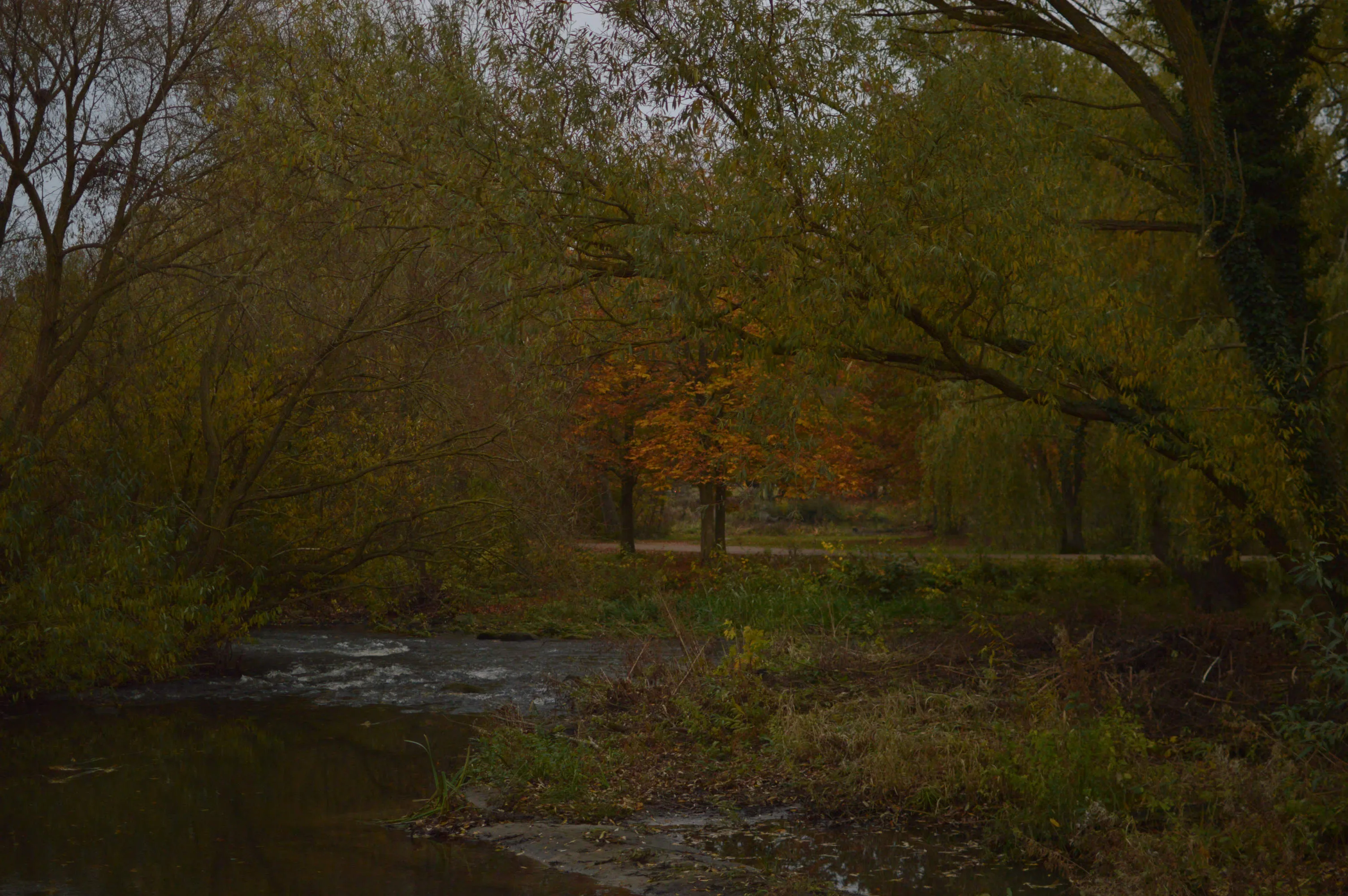
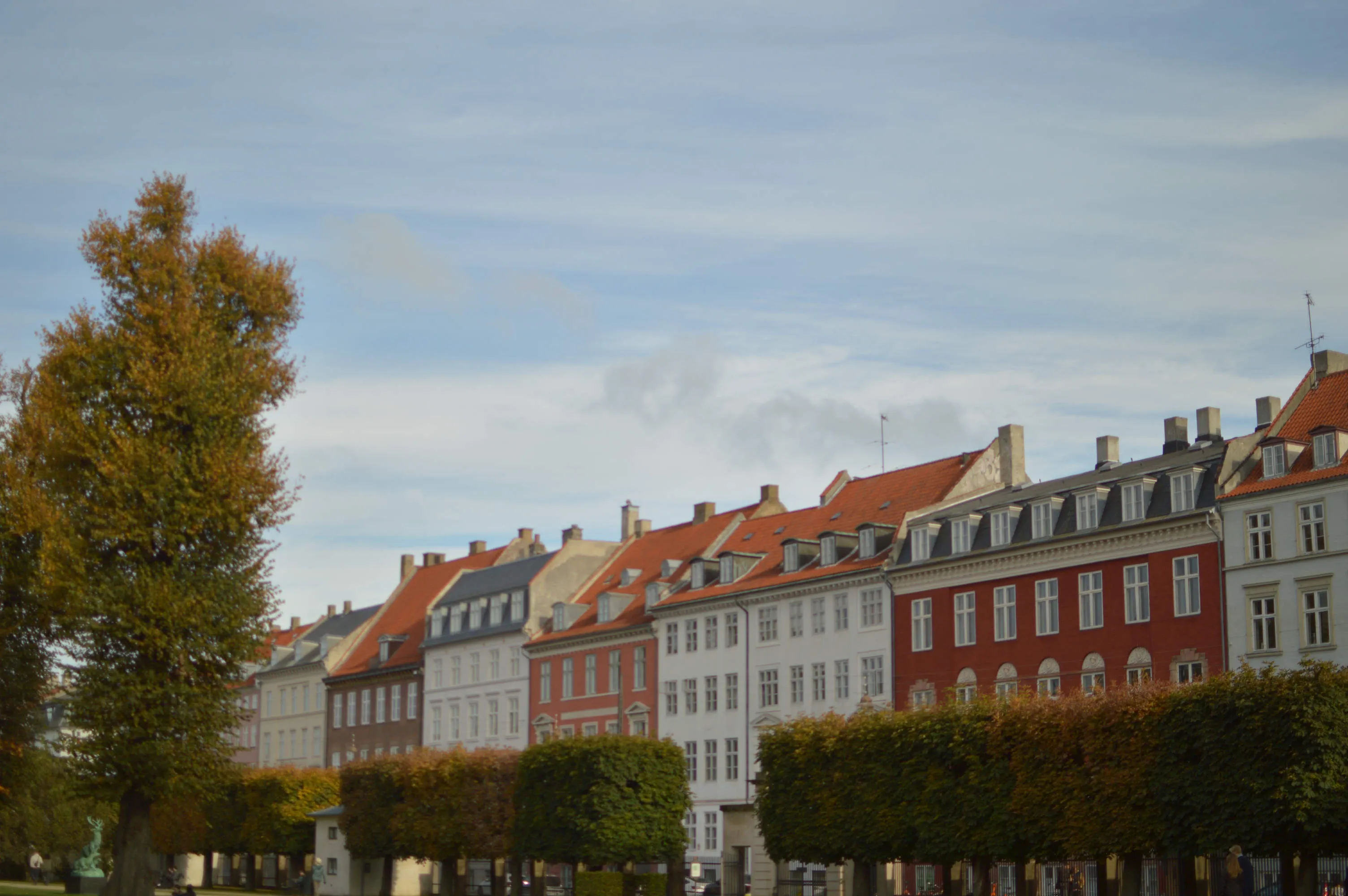

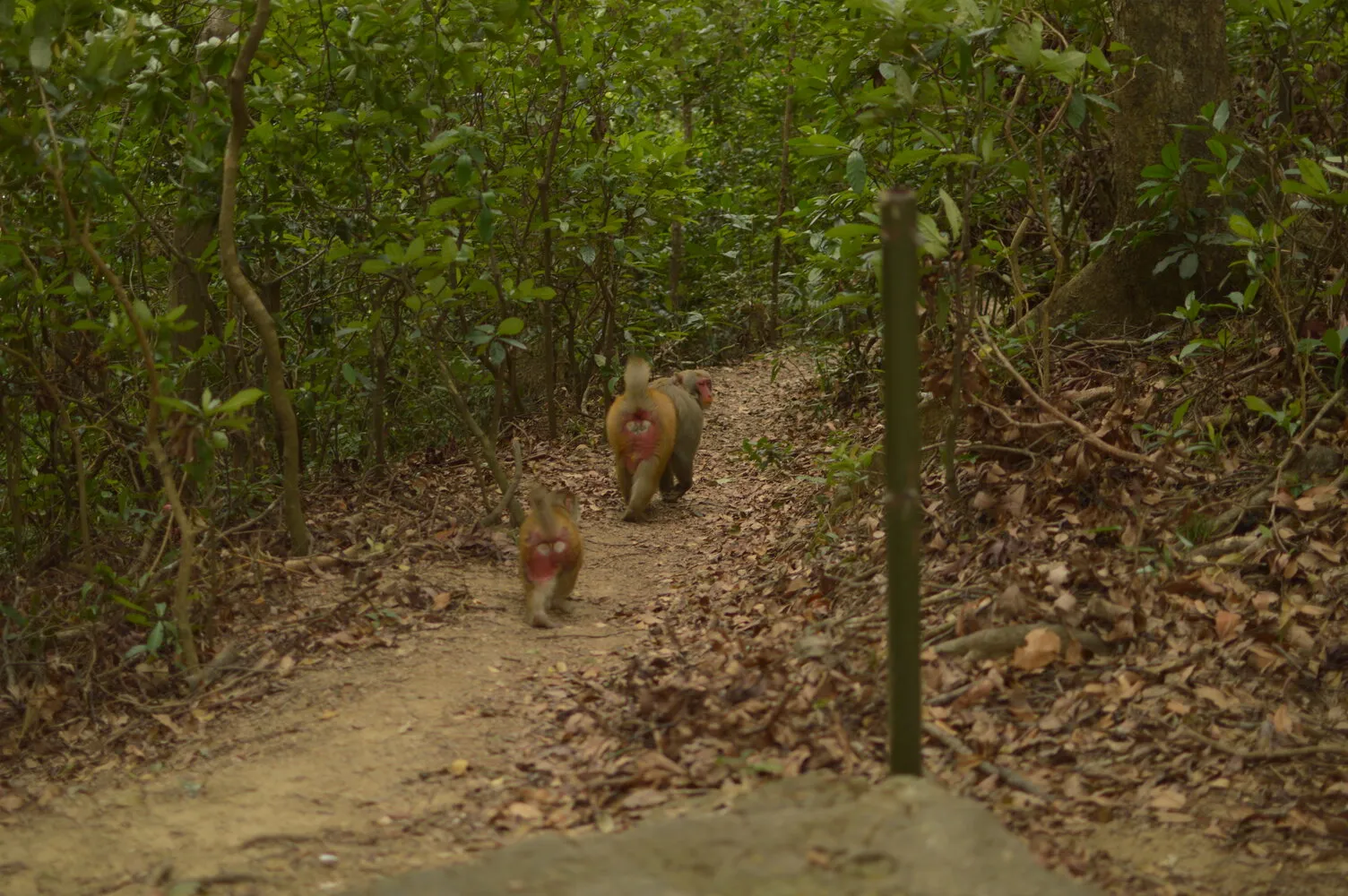
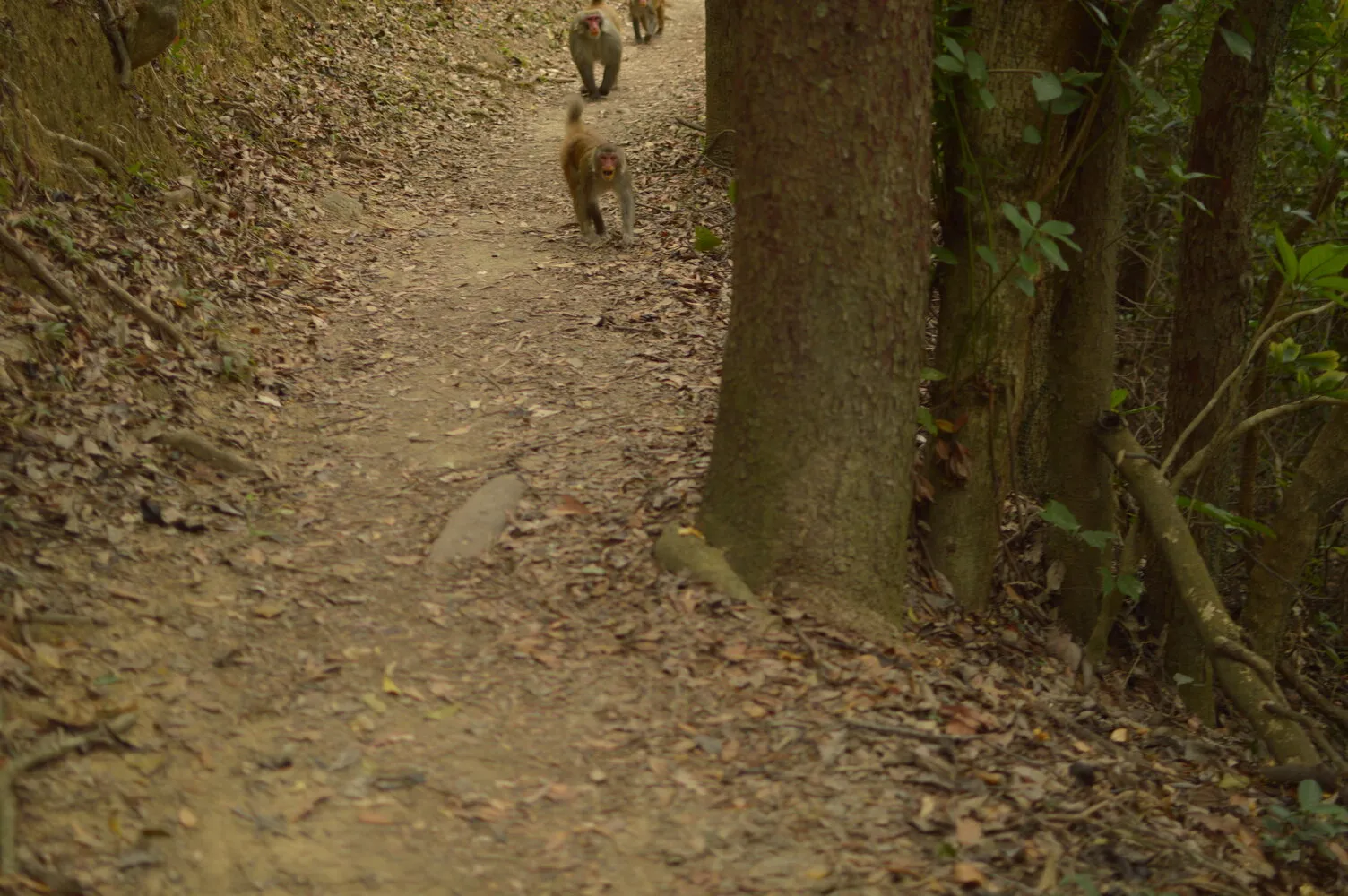
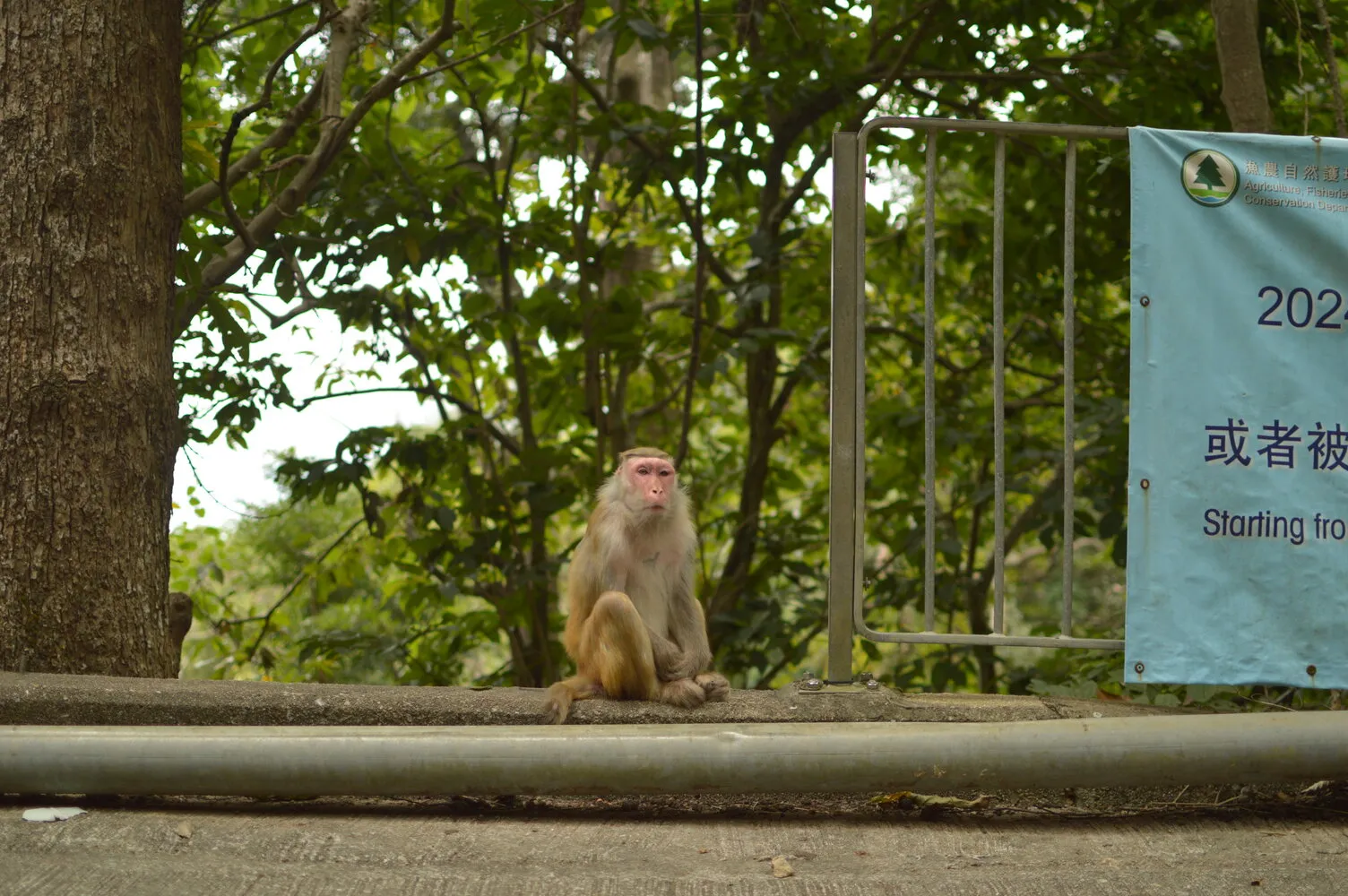
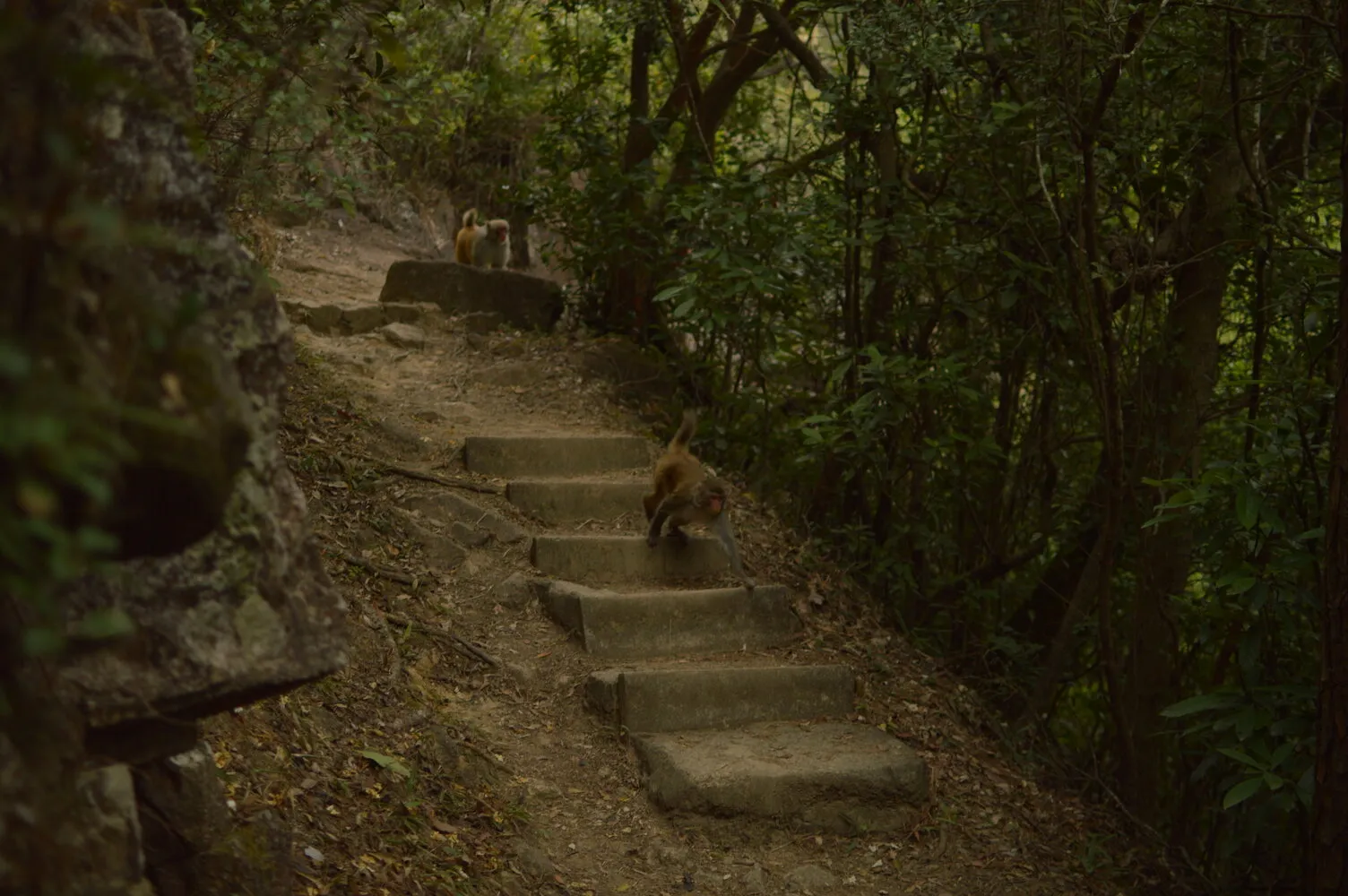
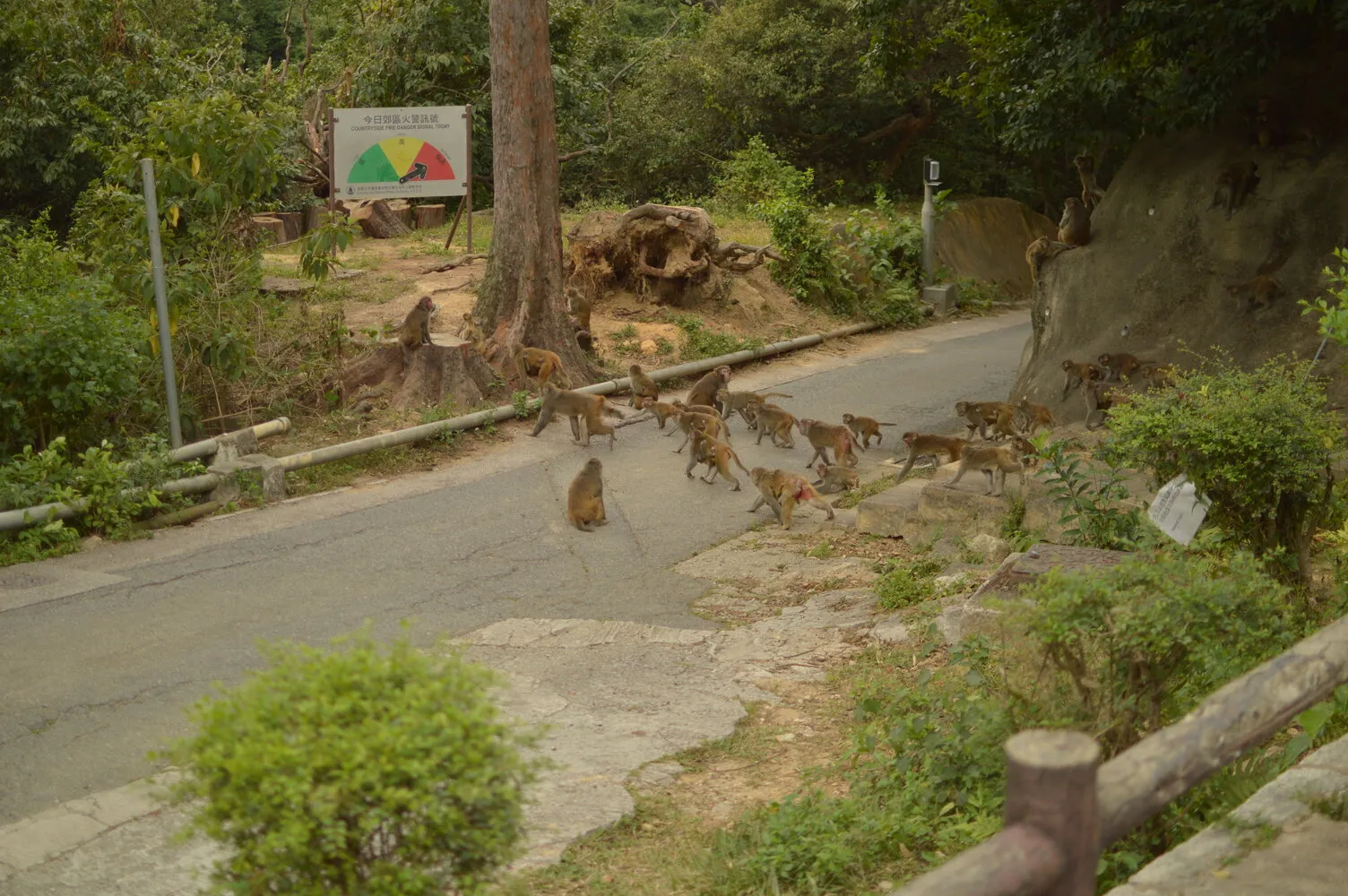
Monkeys











Oranges
I never really thought about it until relatively recently, but it is kind of surprising how well citrus grows at my grandpa's house. There's multiple orange, lime, and lemon trees with branches that end up sagging under the weight of all their fruit. Kind of took it for granted, considering the surrounding terrain looks like this:
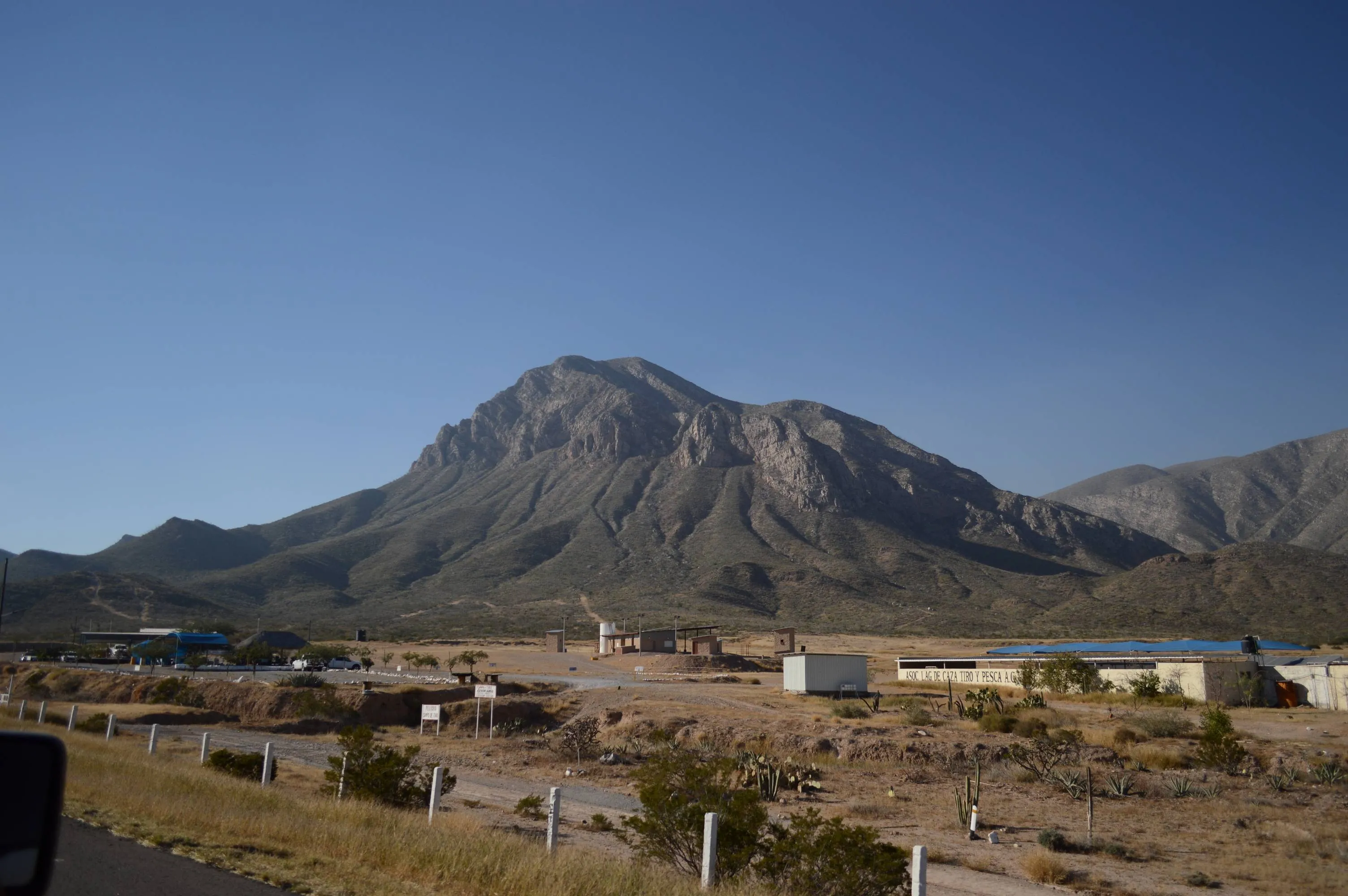
Very dusty.
To be fair, there's wet and dry seasons. During the wet season the dust kind of turns back into soil and the landscape turns somewhat green, with the transformation spurred by intermittent torrential downpours. Those stormy days are some of my favorite, mostly because it's a great excuse to do nothing. Just hang out in someone's kitchen drinking coffee. It can be a little hard to have actual conversations though, since the sound of rain smacking sheet metal roofs tends to drown everything else out!
It's gorgeous, though. Streets turn into little rivers, carving out the unpaved alleys and sending their material downstream until reaching the paved roads near the busier parts of town. The paved roads in turn kinda of start looking like those unpaved alleys, with all the sand, pebbles, and rocks covering up the neat cement sections.
Anyway, those rains must replenish some sort of aquifer (or maybe the citrus trees are goated and bulk up on water), because you end up with fruits like these:

And flowers like these:

And little views like this:
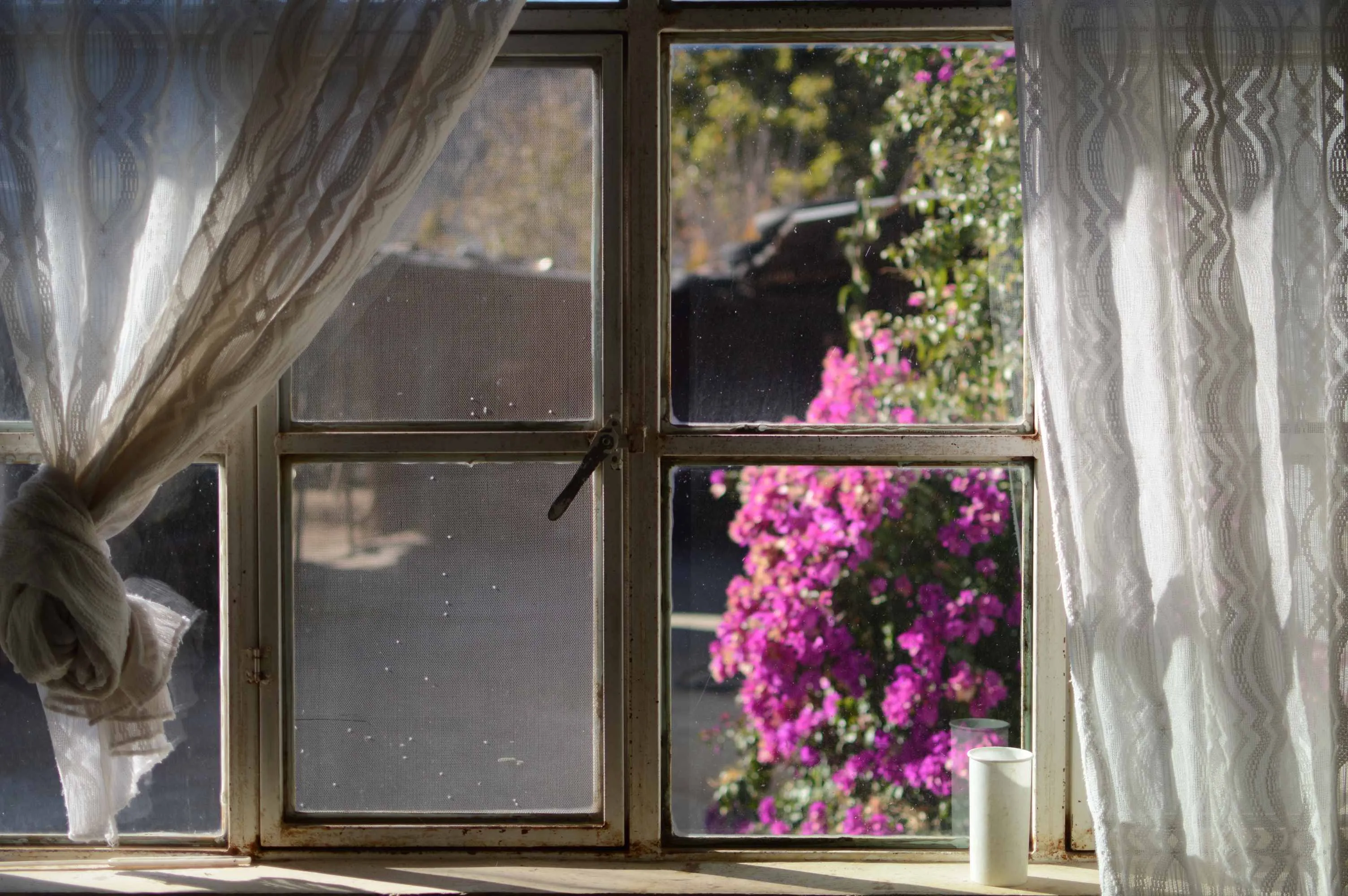
All available within the internal courtyards of everyone's house.
Really wish it was better down there.
Last Edited 7/13/25
Small Towns
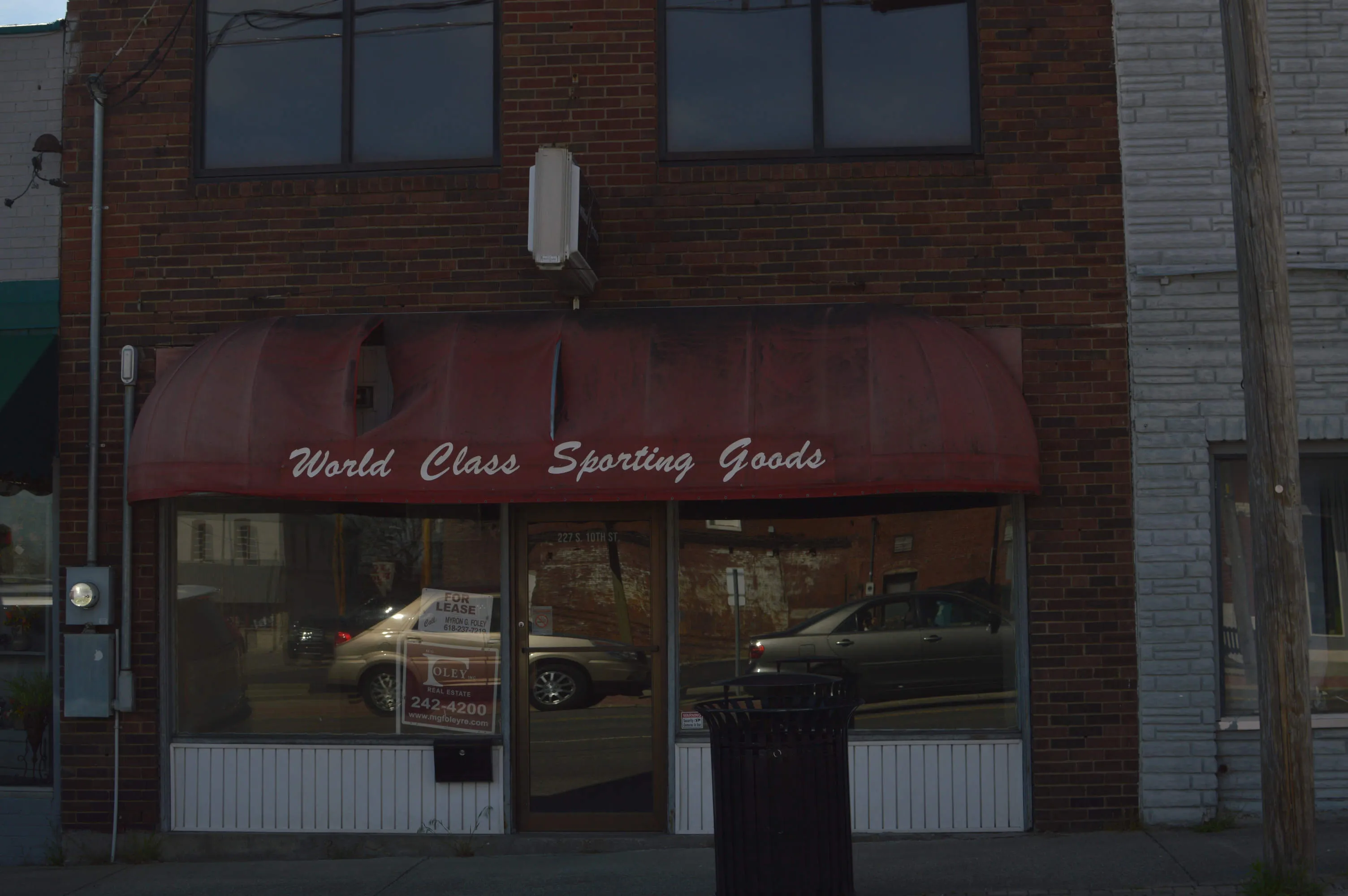
Driving through Illinois (off the interstate), you get to pass through tons of little towns. Lots of these little towns are pretty dilapidated, with most storefronts looking like the one in the image above. This is the thing everyone's been talking about for the past, like, 30 or 40 years. Middle America. The rust belt. Flyover country. Death, decline, despair.
A few small towns here and there look like they're doing fine, from a driver's seat point-of-view. I think these are just the ones that are near hubs, like small cities or large towns, whose residents don't face push or pull factors to the same degree as the more isolated towns further from any economic center.
And really, that's all it is. Well, "all it is" does tons of legwork here. Of course it's easy to say it's just economic push and pull factors, because anything can be a push or pull. But I guess I mean that "push and pull" is a good framework to start analyzing the deterioration of small town America. Instead of placing blame on some abstract process or entity - globalization! NAFTA! China! - one should look at specific reasons individuals may be encouraged to leave a place and go somewhere else. Hu Jintao didn't just snap his fingers and force the American ruling class to shut down World Class Sporting Goods in Smallville, Illinois.
To be fair, basically no one is saying this exactly, but the sentiment that can be extracted from all the noise around this issue kind of approximates this. Maybe instead of the Chinese Premier, it's a free trade agreement, or some international organization, or some random politician.1
Anyway, I might be biased, but these places remind me of somewhere else.
1Reading this back, the Chinese premier is definitely one of the random politicians that would get blamed lmao.
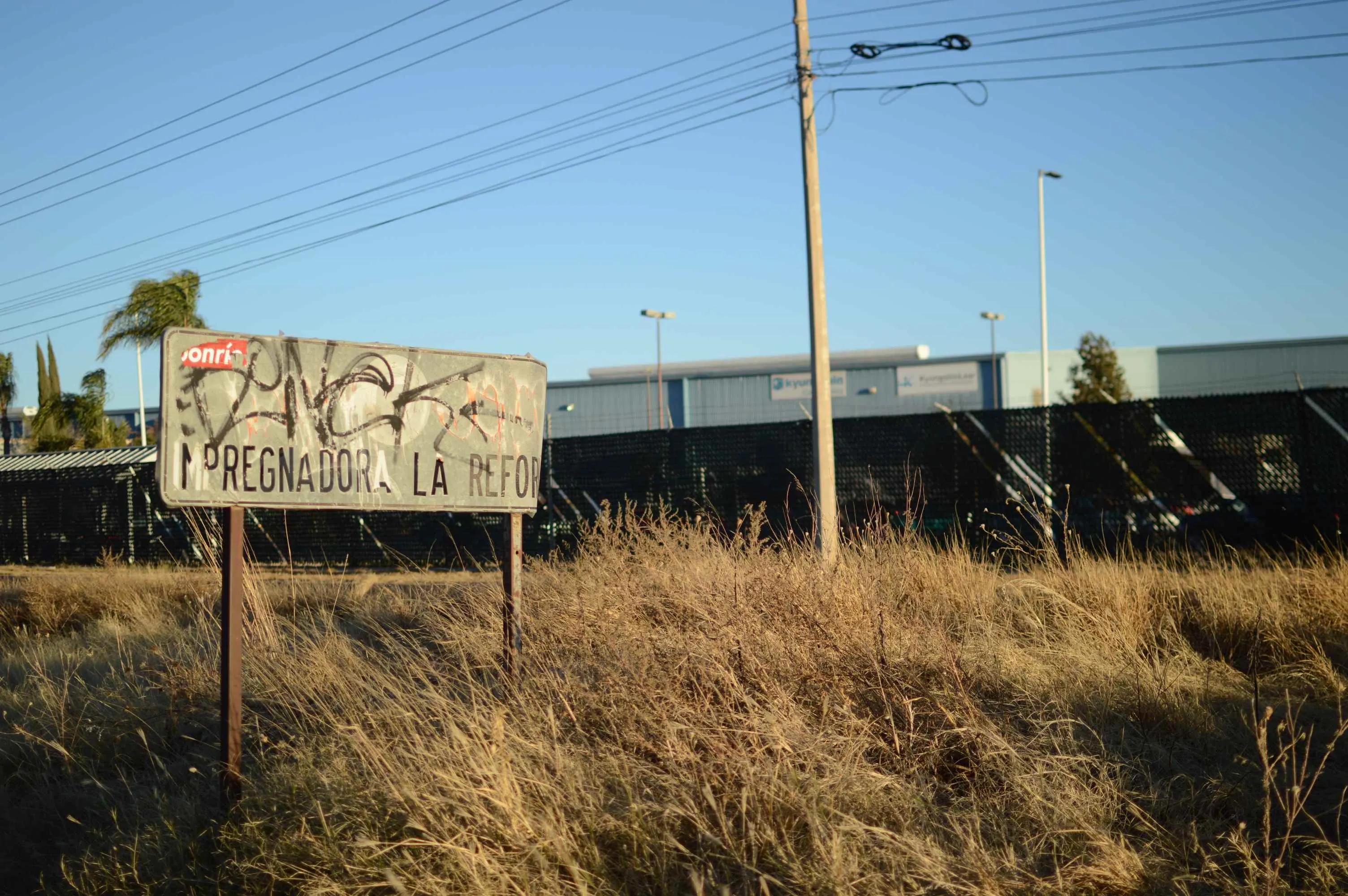
Pueblitos
It's really interesting how this exact same problem is seen across many small towns in Mexico, but I haven't seen many comparisons between the two geographies. The following is mostly based on anecdotal experience (maybe I'll find some numbers and add those in).
My dad's village in Mexico is still fairly vibrant, but it's definitely changing. There's many small children running around during the summer, and plenty of older adults to keep an eye on them. Small corner stores remain open, serving fresh tortillas every morning. Farmers work the ejidos, ensuring the new grain depot is busy. A new clinic was just built with funding from the federal government. During the summer months and around Christmas the dance halls blast music well into the morning hours. Almost everyone now has those shiny stainless steel solar water heaters.
However, many young adults (including most of those in my family) have left. Some say it'll only be temporary. Others are more realistic with themselves and leave for good, with plans to (maybe, potentially) come back during retirement. Where are they going? The United States. What are they doing? Working.
They are earning wages and enjoying a material quality of life that easily surpasses what the vast majority of them could have attained by staying in Mexico. They are leaving an environment that many consider dangerous, spurred by factors outside of any one individual's control. Many barriers - some physical, some legal, some cultural, some interpersonal - lie between these young adults and the (real or imagined) splendor of the USA. But on average, that does little to dissuade the young.
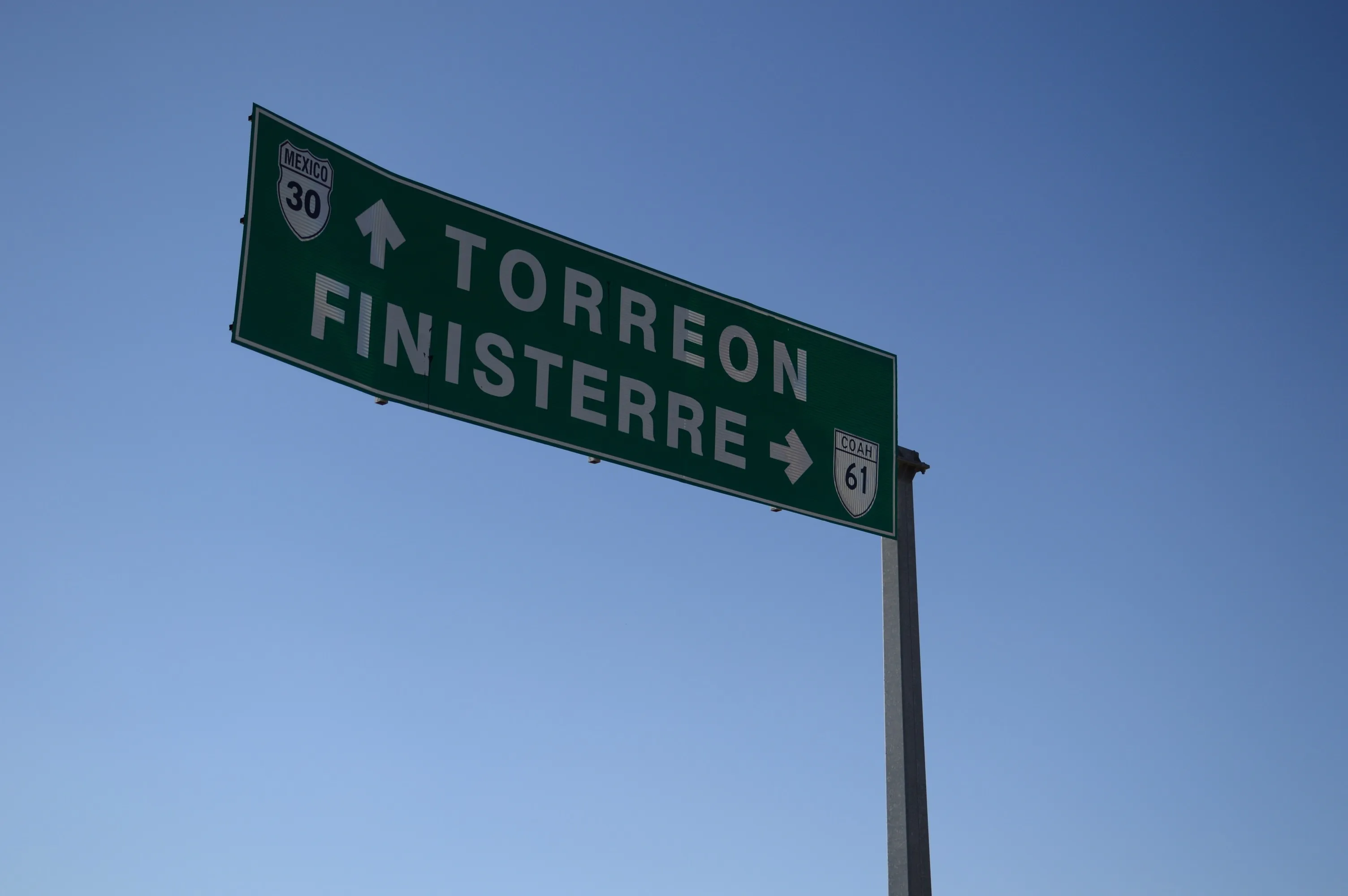
This choice to leave, spurred mainly by economic considerations, has many downstream political, economic, and demographic effects.
Politically, well, we're kinda in the middle of it I guess. Just look around.
Economically, there's a few key things. First, the individuals that seek out lives up north enjoy materially better lives. New(ish) phones, clothes, vehicles, better medical care, a safer environment, and just much, much higher wages in general compared to what could have been obtained by staying.
Second, they provide much needed labor to the largest and most advanced global economy. Again, I should go back and include some solid data here, but the main idea is that these new workers integrate into the US economy by performing lower-skilled labor. This, in turn, effectively allows the existing population (usually with better education and training) to up-skill and perform more productive labor.
Third, they inject money into the local economy back home in Mexico. Basically everyone sends some money back to the family that remains in Mexico. This is a huge boost to families and local economies, since USD has such enormous purchasing power. A small fraction of a US worker's pay goes a long way in small-town Mexico. Effectively, this itself boosts outcomes in Mexico, as people can afford better / more goods and services.
Basically, just a more efficient allocation of labor that benefits everyone. Also my theory that this is the reason behind the success of the American and Chinese economies. Both countries have a large pool of relatively poor rural communities (for the US nowadays, thats Mexico). Both countries have wealthy, highly advanced metropoli with highly skilled and educated workforces. And both countries have high economic migration from the poorer rural regions to the wealthy regions where lower-skilled labor is needed. This is the engine of prosperity.
Finally, this economic migration has distinct demographic effects. Primarily, the gradual depopulation of the rural towns where the migrants originate from, shifting that growth to the urban centers the migrants move to. I mean, it's kind of obvious, as this has been happening since the dawn of civilization. The growth of urban centers, that is. I don't know if rural regions have depopulated as drastically as we're seeing now. I should check.
Anyway, this also means that the children of said migrants will grow up and live in the United States, instead of some rural village. Effectively, shifting population growth from rural towns to the wealthier, urban regions.
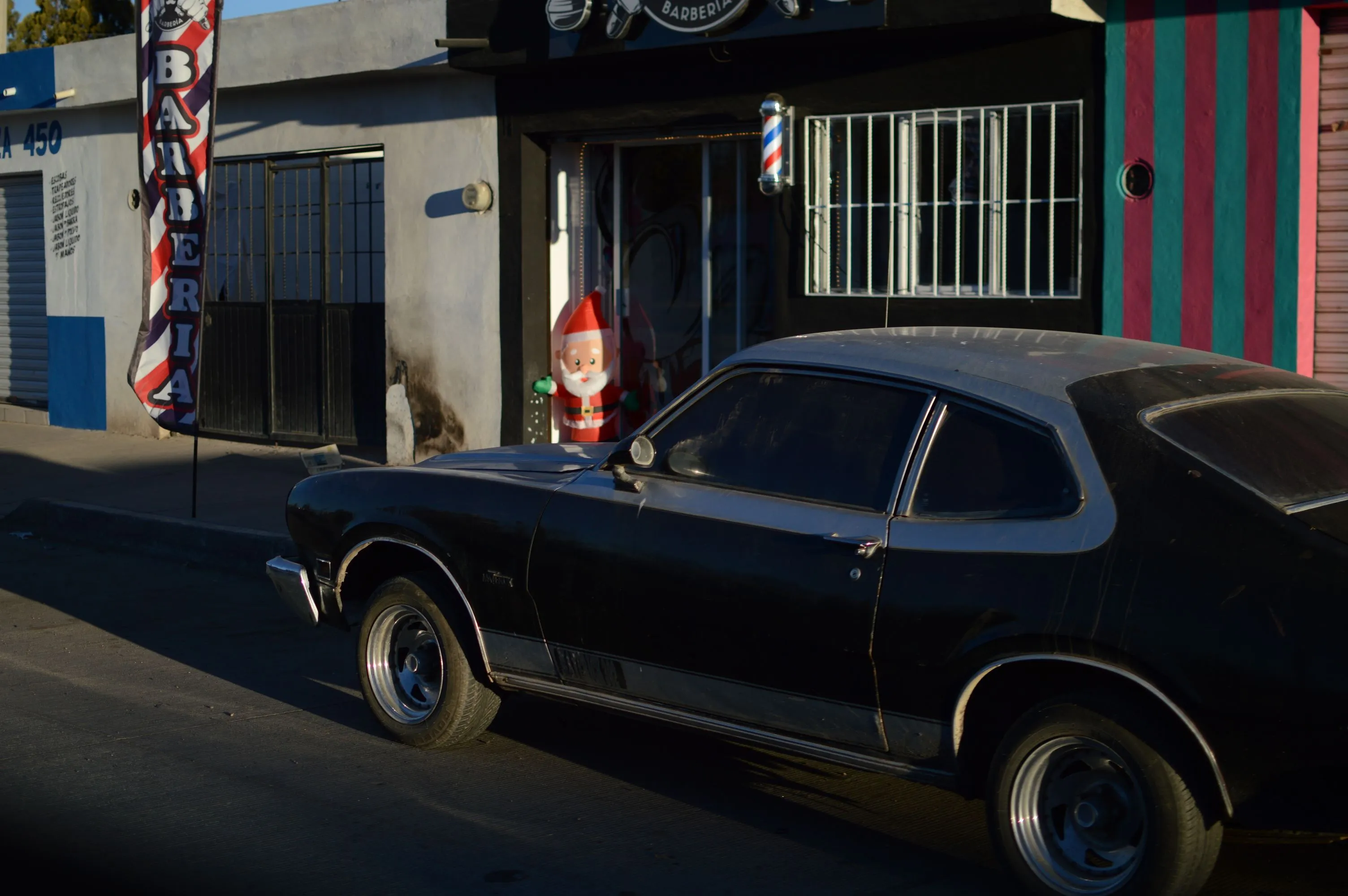
The(ir) kids yearn for the mines
A few things. I think it's interesting how much bandwidth is afforded to depopulating rural towns in the USA, and how many treat it as some enigma, when basically the same thing is happening south of the border, which everyone is suddenly expert on.
I think the "solution" to the rural depopulation "problem" is basically the same for both regions. The specifics might differ, but it's just a matter of making these rural regions better places to live. Have them offer more economic pull factors that do enough to keep people in. Or alternatively, increase barriers that make it much harder to migrate. The problem with the latter is that realistically, it doesn't work. This can be seen through the (now legal?) internal migration in China in spite of the Hukou system, or the large migration from Mexico to the US in spite of our immigration system1. Even if one could raise barriers enough to stop this process, I don't think it would be good for anyone. Economic migration isn't some zero-sum process. Quite the opposite, really.
Okay, so make these rural regions better places to live. How? There have been some directed efforts by the Biden administration to encourage high-tech factories (like battery plants, semi-conductor fabs) to open up in rural / rust-belt regions across the USA. These geographies were chosen since it would accomplish a few things simultaneously.
First, these investments served to encourage growth in strategic sectors of the economy. There's been tons of anxiety over this as China has2 overtaken the US in raw economic measures, and undoubtedly dusted the entire planet in manufacturing capacity. The US has essentially been tweaking the fuck out this past decade trying to ignore reality. I think US institutions are just finally coming around to internalizing the true state of the world. But it's too late. All that's left to do is adapt.
Second, it would bring back millions in manufacturing investment to regions that had been hit hard by the financialization of everything. So rust-belt cities in the Midwest or more rural regions, places like Maine, upstate NY, Michigan, Kansas, etc. These investments would spur construction (requiring construction workers), manufacturing (requiring permanent technicians in the fabs), and high-tech R&D (requiring highly educated researchers and engineers). Basically, trying to make these often overlooked regions more economically active. Like, better places to live.
And third, politics. Perhaps by focusing investment in more red / rural regions, it would make it harder for republican administrations to remove the subsidies supporting these high-tech jobs. Their constituents would now depended on them, after all!3
All that investment, plus other things like the advent of remote work, and drastically lower cost of living, might give these places some pull factors. And even if American young adults still don't find these rural regions appealing, millions of immigrants would.
But the problem is that many of these small rural towns, even when offered such opportunities, are actively hostile towards them! Because batteries and solar panels and remote work and migration and any change at all is gay, I guess. Even when you have millions of people dreaming to join and contribute to the USA, whether in Los Angeles, California or Springfield, Ohio.
1 Haha yeah imagine if we had a system that arbitrarily separates populations, thrives on the labor they provide, and maintains control over them by severely restricting their political and economic rights. Wait, who are we talking about? 2 Highly debated, and everyone cites different economic measures to argue for their respective side. But like, let's just be fr. In the world outside of crypto scams and agentically agentic AI agents, they're mogging us. 3 LMAO
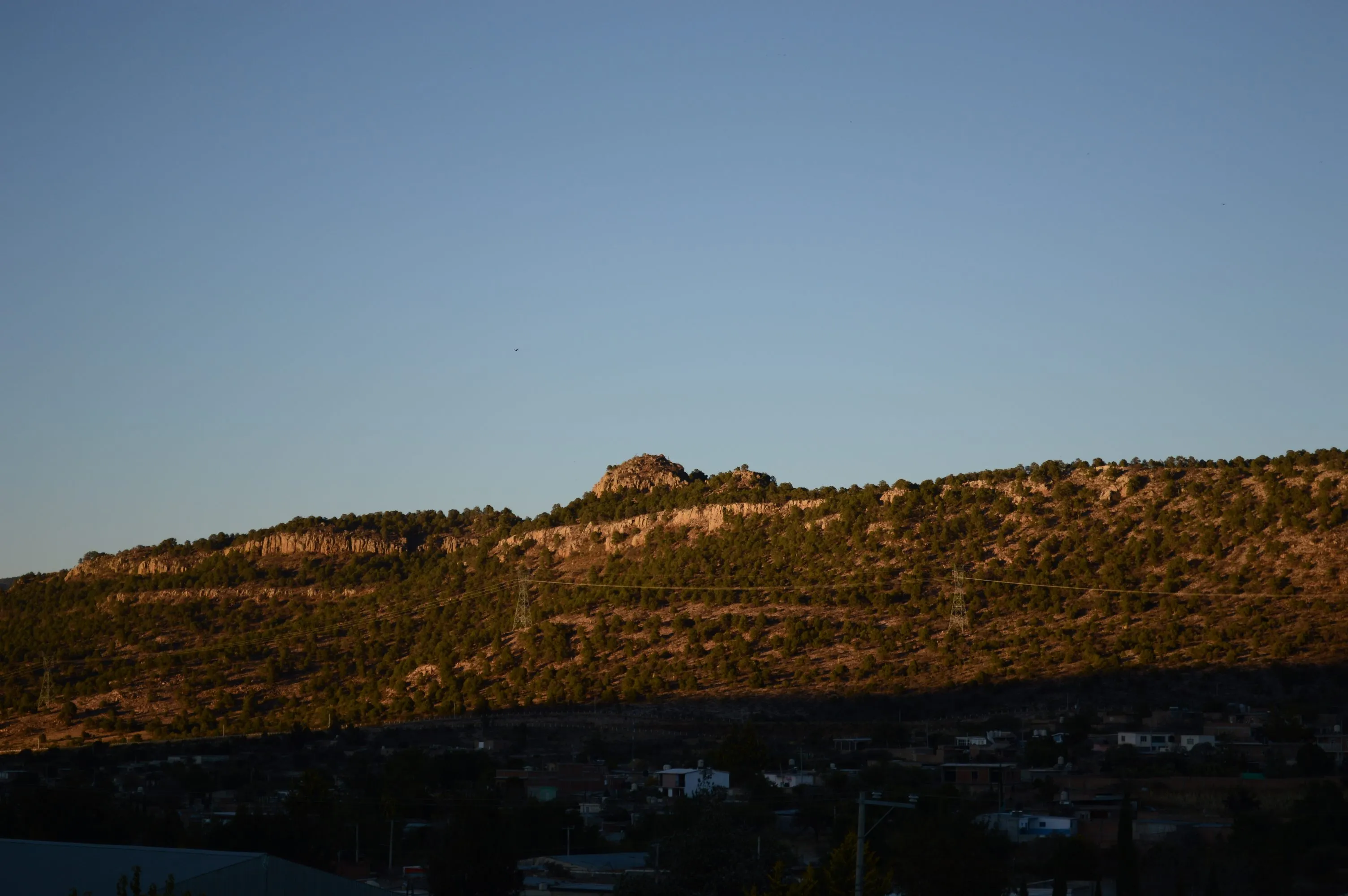
Small towns in Mexico don't have the luxury of complaining about industrial investment. Well, people are people, so some probably still do. But it's mainly because there might not be the same interest or capacity to invest in these rural regions. Or it might not even be seen as a problem. People like my parents recognize that there is very little opportunity in these rural regions. That's the entire reason why they migrated, and why people like me are here.
People love talking about bringing back factories, bringing back steel mills, bringing back the sporting goods store, bringing back their grandchildren, bringing back whatever it is that made small-town America great. But always as some abstract place, where someone else should live and and someone else should work, engaged in the type of labor present in some imagined, non-existent, long-dead past.
"The(ir) kids yearn for the mines!" . . .
"Mine? Oh, mine went to The Ohio State. Works at like McKinsey or something."
Last Edited 12/30/25